
A Wilson’s snipe is nearly obscured by the green grasses at the edge of South Quigley Lake on a rainy April morning.
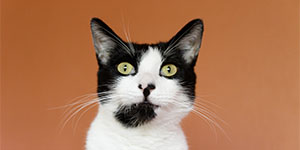
Scratcher of heads, rubber of bellies
A Wilson’s snipe is nearly obscured by the green grasses at the edge of South Quigley Lake on a rainy April morning.

A different take on the young redtail in the rain, since it’s looking just past the car you can see one half of the Crosstrek in one eye and the other half in the other.

I like to spend each Christmas morning at Ridgefield and in 2012 kept the tradition by making my first visit to the refuge in many months. It poured as I drove out in the dark so I was thankful to be in my new Subaru XV Crosstrek as it handles the rain much better than my previous car. The young redtails at the refuge sometimes hang out on the signs at the edge of the meadow and if you’re quiet, will often let you drive close and watch to your heart’s content. This redtail was soaked through and through and gave me good looks at both its front and back as it kept its eye out for voles in the meadow, and when it turned its head just right let me take a self-portrait of the new car (you can see it reflected in the hawk’s eye).

A pair of male wood ducks take a break on a fallen tree in Bower Slough.
📷: Canon 7D | Canon 500mm f/4L IS USM + 1.4x III
🗓️: June 12, 2011

A western painted turtle floats in the shallows of Long Lake, surrounded (and covered) by duckweed.
📷: Canon 7D | Canon 500mm + 1.4X
🗓️: June 12, 2011

A male ring-necked duck rests on the still waters of Horse Lake.

For a month in early 2011, I often saw this adult great blue heron hunting for small fish in the same location at Ridgefield National Wildlife Refuge. I looked for it every time I drove the auto tour, as the duckweed in the slough was turning red instead of green, providing a pink backdrop in the soft overcast light rather than the more common greens and browns and blues.

A tree swallow takes a brief respite from hunting insects over Long Lake.

Sunrise at Horse Lake, frozen solid on a cold January morning.

When I was in graduate school and just getting into wildlife photography, I spotted a pair of unfamiliar ducks at the Virginia Tech Duck Pond. They only stayed for a day or two before migrating on, but I was a bit puzzled as to their identification as they didn’t quite match anything in my guide book. I guessed (rightly so) that they were northern shovelers as nothing else in the book had a bill quite like theirs. I later learned that they were in non-breeding plumage, while my guide book only had their breeding plumage.
When we moved to Oregon I was delighted to find shovelers here in the winter, so now I get to see them on a regular basis, and am still amused by the variety of plumages I see within the same group of shovelers. This male for example, even though it was late winter, still has signs of his intermediate plumage. With that bill, though, there’s no mistaking him for anything but a shoveler.
 Boolie