The Beauty of the Auto Tour

A close-up of a coyote in the rain on the auto tour at Ridgefield National Wildlife Refuge in Ridgefield, Washington on December 25, 2011. Original: _MG_6249.cr2

While on a visit to Ridgefield on a rainy Christmas in 2011, I accidentally took a short nap while in a pullout beside Rest Lake (I mean, given the name of the lake, hardly my fault) which meant I was lucky enough to be in the right position when driving past the meadow that I got to spend quite a while watching a coyote hunting voles in the rain. It’s what I loved about the auto tour, getting to watch animals behave naturally at relatively close distances without disturbing them.

A coyote pauses in a meadow in the rain on the auto tour at Ridgefield National Wildlife Refuge in Ridgefield, Washington on December 25, 2011. Original: _MG_6194.cr2

These pictures are a bit bittersweet as while I got to watch the family at length multiple times that winter, my pictures from a couple of months later would be my last photos of coyotes at the refuge as they were shot to create a safer haven for the threatened Columbian white-tailed deer that were about to be transplanted. Thankfully the deer seemed to be establishing themselves by the time I had to say goodbye to the refuge so hopefully coyotes have been allowed back since.

A coyote hunts for Townsend's voles in a meadow on the auto tour at Ridgefield National Wildlife Refuge in Ridgefield, Washington on December 25, 2011. Original: _MG_6021.cr2

I’m not sure the many Townsend’s voles in the meadows around the refuge missed the coyotes, although perhaps they didn’t notice given the wide variety of predators that ate them. It was always a little hard to watch through the big lens as one little life was snuffed out, even knowing it allowed another life to continue. I always hoped to photograph a vole on its own but I only ever managed to catch them when something else caught them first.

A coyote eats a Townsend's vole in a meadow on the auto tour at Ridgefield National Wildlife Refuge in Ridgefield, Washington on December 25, 2011. Original: _MG_6067.cr2

The Winter Rain

Large water droplets bead up on the head and neck and shoulders of an American bittern at South Quigley Lake on the auto tour of the River S Unit of Ridgefield National Wildlife Refuge in Ridgefield, Washington in December 2009

On New Year’s Eve in 2009, snow still blanketed the ground but the more typical cold rain had returned, beading up on the head and neck and shoulders of an American bittern as it patrolled the edges of South Quigley Lake. I loved being at Ridgefield in the rain, sitting at one of my favorite spots on the auto tour with a bevy of towels strewn around the car to absorb the rain that would blow in. Your car acted as a blind so on days with poor weather and little traffic, as long as you sat quietly the animals would relax and often come quite close. This was one of two bitterns I was watching for a couple of hours that afternoon until the bewitching hour approached and I had to start the car to make it out before the gate closed.

Morning Calisthenics

A northern harrier stretches its wings backward while perched on a stump I called 'The Cactus Tree' at Ridgefield National Wildlife Refuge in Ridgefield, Washington in December 2009

A northern harrier stretches its wings on a foggy winter morning in 2009. I had seen it an hour earlier in this same spot but I don’t know if it spent the hour there or only returned to a favored perch. I’m happy I got some pictures of the stump I called “The Cactus Tree” as in subsequent days it fell over into the swamp.

The Quiet Ones

A juvenile bald eagle calls out in the rain while perched on the ice of a frozen Rest Lake on the auto tour of the River S Unit at Ridgefield National Wildlife Refuge in Ridgefield, Washington in January 2008

A juvenile bald eagle calls out to other nearby eagles on a rainy winter morning in 2008. Rest Lake had frozen over during a cold snap but by mid-morning a steady rain was falling and soon enough the ice would melt. I was rather surprised years earlier when I first heard an eagle’s call, given their size I assumed they’d have a rather raucous call so I was a bit taken aback by the soft and gentle cry that escaped their fearsome beaks.

Dressed in Blue and Green

A tree swallow perches on a mossy dead snag in the rain at Long Lake on the auto tour of the River S Unit of Ridgefield National Wildlife Refuge in Ridgefield, Washington in May 2012

This picture resonates strongly with me of my former home in the Pacific Northwest, a paradise dressed in blue and green. A tree swallow pausing from its aerial hunt on a rainy spring morning, tiny drops of rain beading on its tiny wings. The blue of the bird, the greens of the moss and lichen, the blue of Long Lake below, the green of the lush grasses at its marshy border, the meadow beyond. When I first visited Ridgefield National Wildlife Refuge years ago the lake was full of snags near the road but one by one they began to fall. This snag was the last one near the road but eventually it too fell.

Young Red

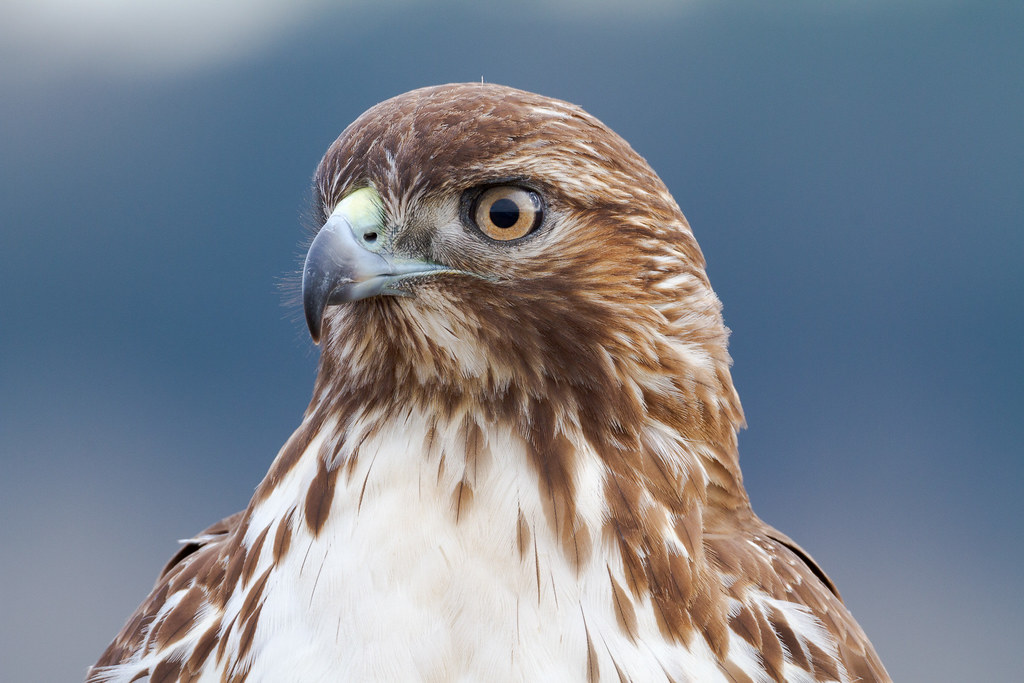
A juvenile red-tailed hawk perched along the auto tour at Ridgefield National Wildlife Refuge in 2010

A juvenile red-tailed hawk perches along the auto tour at Ridgefield National Wildlife Refuge in 2010. We have redtails here in Arizona but I don’t get to see them up close like this anymore. Even at Ridgefield it seemed like in the later years I no longer saw them perching so close, so often, although I could still see them nearby in the meadows.

Up & Up & Up

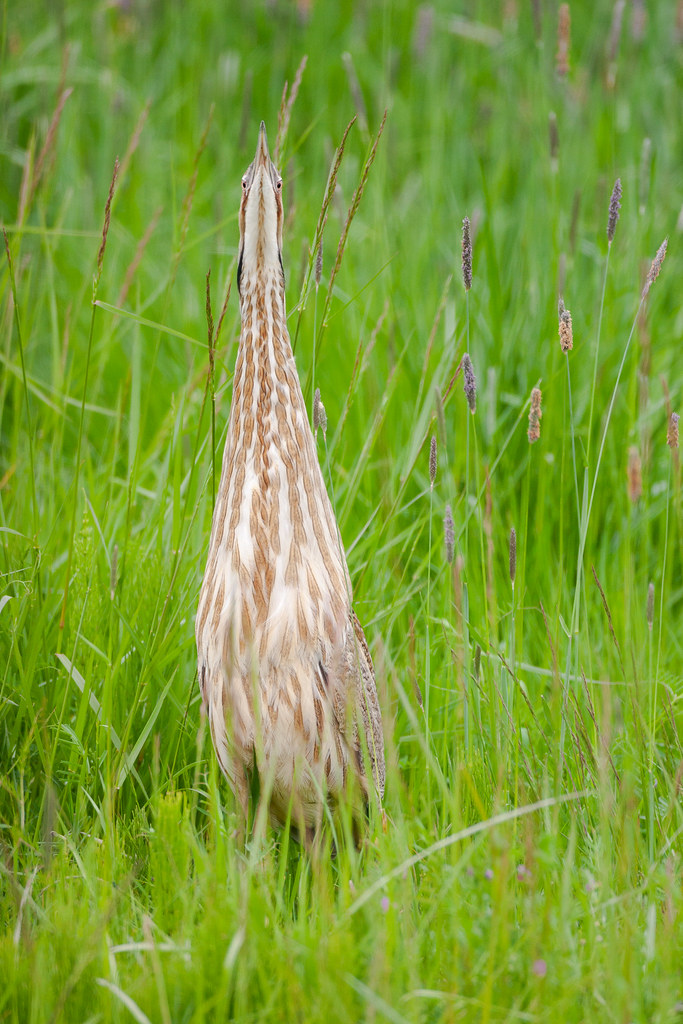
An American bittern stands with its next stretched out against a backdrop of green grasses at Ridgefield National Wildlife Refuge in Washington

Bitterns can look like a football with a head attached so it always amazed me when they’d stand and stretch their necks up, and up, and up. Useful for seeing over tall grasses and also as a defensive pose, I saw them do it multiple times when bald eagles soared high overhead, although the subterfuge worked best when the grasses were brown instead of green. I was never quite sure how they distinguished the distant eagles from other birds of prey but I did a quick check of the skies if a bittern I had been watching suddenly struck a thin vertical pose.