How Animals Behave Before They See the Camera (and After)

How Animals Behave Before They See the Camera

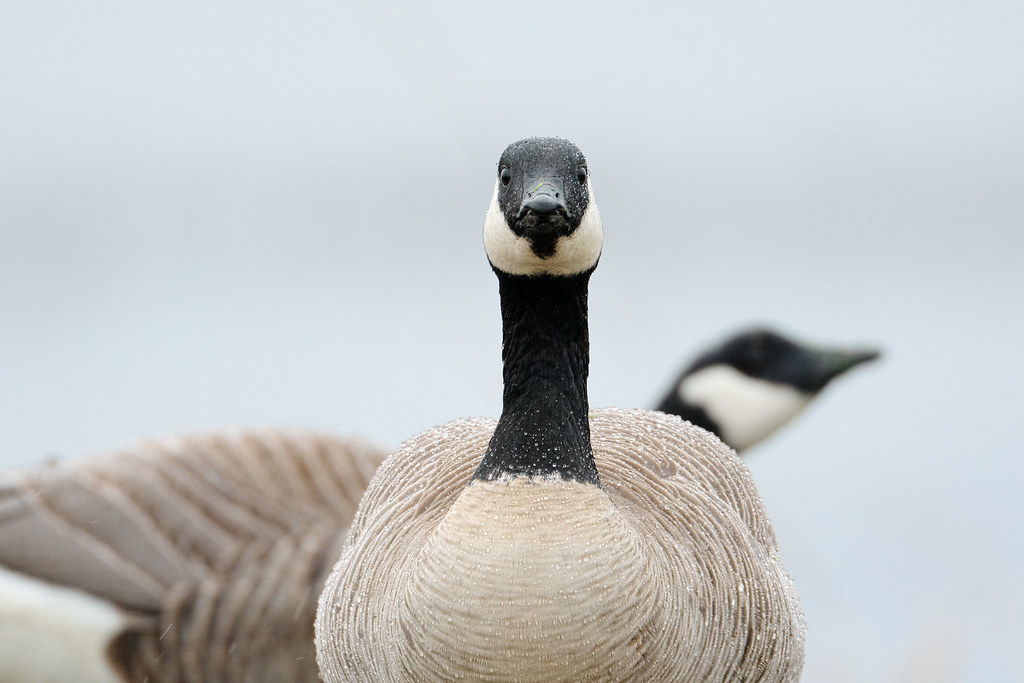
These Canada geese (or cacklers? I can’t tell the difference between small Canadas and large cacklers) were eating at Rest Lake in a heavy rain when they tilted their heads back to swallow, but the difference in the poses reminded me of people acting naturally before they see a camera but posing when they realize they’re being photographed.

How Animals Behave After They See the Camera

Doesn’t Mind the Rain

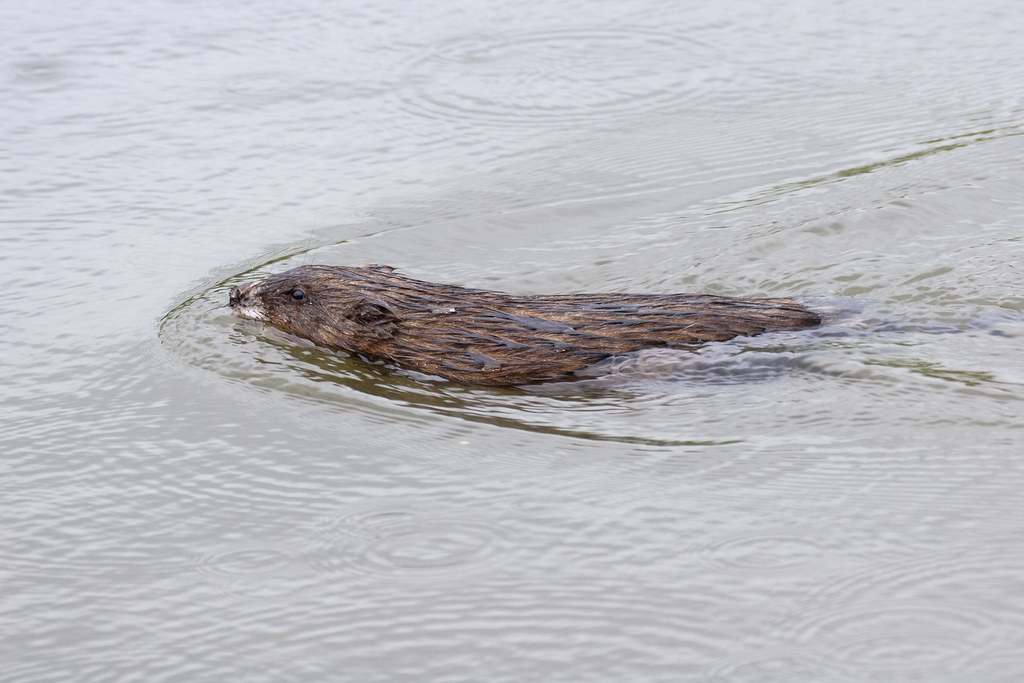
A common muskrat swims in the rain

When I bought the Canon 20D in March of 2005, after taking test shots of the cats I went up to Ridgefield to test the camera before going on a trip to Japan. A light drizzle turned into a heavier rain when I came across this muskrat swimming near North Quigley Lake. As I was in the car the camera wasn’t fully exposed to the rain, and I did my best to keep it dry, but I was still a little nervous as it was its first time outside and it didn’t have any weather sealing. Most of the pictures were blurry as the autofocus was still pretty limited, but I enjoyed the improved speed of the camera itself. I used the camera for years and the rain never did it in, even though eventually it would get partially smashed on rocks and have a gaping hole at the top.

Home on the Road

Four killdeer eggs in a gravel nest

Killdeer nest on the ground in a shallow depression, often in gravel or sand, which is a bit of an issue at a place like Ridgefield where a gravel auto tour runs beside the many small ponds. A killdeer had laid four eggs in this nest at the edge of the road near the end of the auto tour, where the camouflage of the eggs will work against the likelihood of them not getting run over when the parents aren’t on the nest.

Predator v. Predator

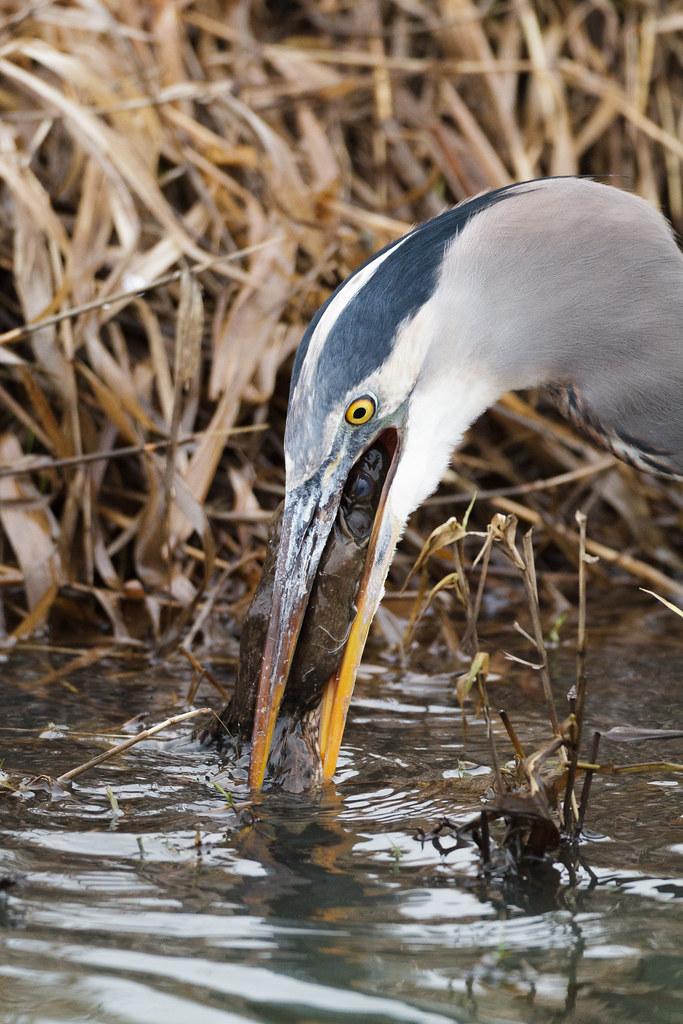
A great blue heron pulls a large bullfrog out of the water

Bullfrogs are voracious predators and not native to the Northwest but they are also a food source for a variety of animals that have learned to eat them. This large bullfrog was I think killed by a family of otters that came through earlier, it looked like one of them had caught the frog and eaten its front legs and a bit near the back before leaving. The heron was happy to eat what the otters left, dunking the frog a couple of times in the water (birds like herons and bitterns do this at times with their prey when near water) before getting it positioned in its beak where it could swallow the frog whole.

A great blue heron holds a large bullfrog in its beak

A  great blue heron dunks a large bullfrog in the water

A great blue heron prepares to swallow a large bullfrog

On Point

A mallard pair swims with the female on point

I think the male mallard is one of our most beautiful birds but they are often unappreciated because they are so common and tame in duck ponds around the country. How much more so the females without the glorious green! At Ridgefield mallards are not so common and quite shy so I photograph them whenever I get the chance, and when this pair swam in my direction I focused on the female on point.