This picture resonates strongly with me of my former home in the Pacific Northwest, a paradise dressed in blue and green. A tree swallow pausing from its aerial hunt on a rainy spring morning, tiny drops of rain beading on its tiny wings. The blue of the bird, the greens of the moss and lichen, the blue of Long Lake below, the green of the lush grasses at its marshy border, the meadow beyond. When I first visited Ridgefield National Wildlife Refuge years ago the lake was full of snags near the road but one by one they began to fall. This snag was the last one near the road but eventually it too fell.
Tag: River S Unit
Rain Song
Vertical Climber
A Pacific treefrog sits vertically in a moss-covered tree, all soaked with rain on an October morning, beside the trail to the observation blind at Ridgefield National Wildlife Refuge. I was crestfallen when I realized I had forgotten my tripod and wouldn’t be able to photograph the frog (and another nearby on the same tree), but then I remembered I had my adapter to put Canon lenses on my Sony camera and thus was able to use both my Canon macro lens and the image stabilization of the Sony. It saved the day and thankfully so, it turned out to be the last time I saw them before leaving the Northwest.
Young Red
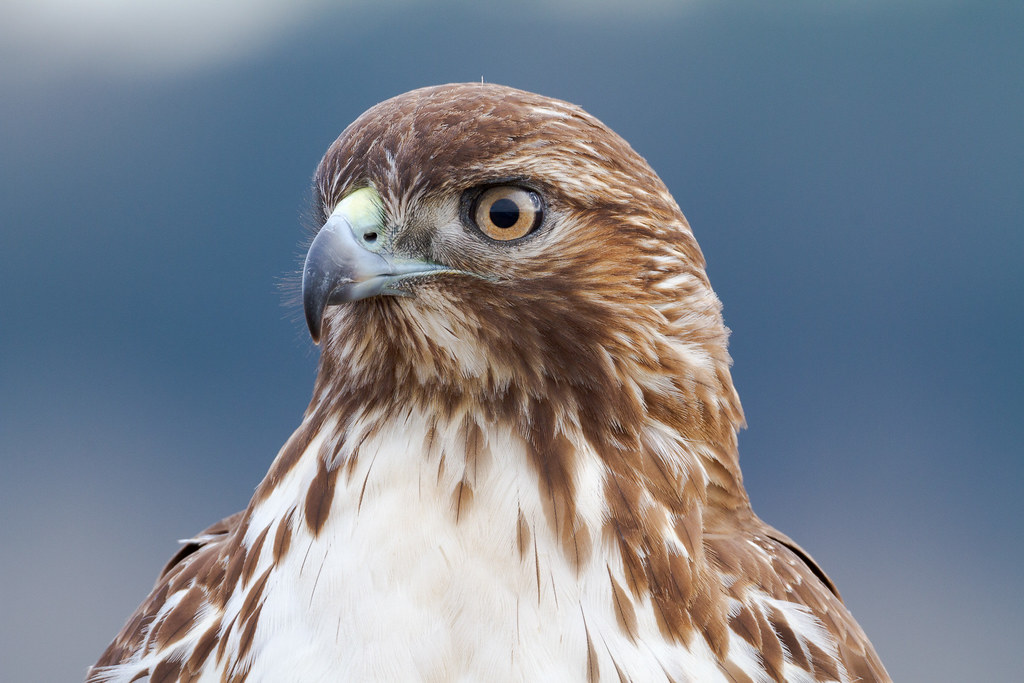
A juvenile red-tailed hawk perches along the auto tour at Ridgefield National Wildlife Refuge in 2010. We have redtails here in Arizona but I don’t get to see them up close like this anymore. Even at Ridgefield it seemed like in the later years I no longer saw them perching so close, so often, although I could still see them nearby in the meadows.
Up & Up & Up
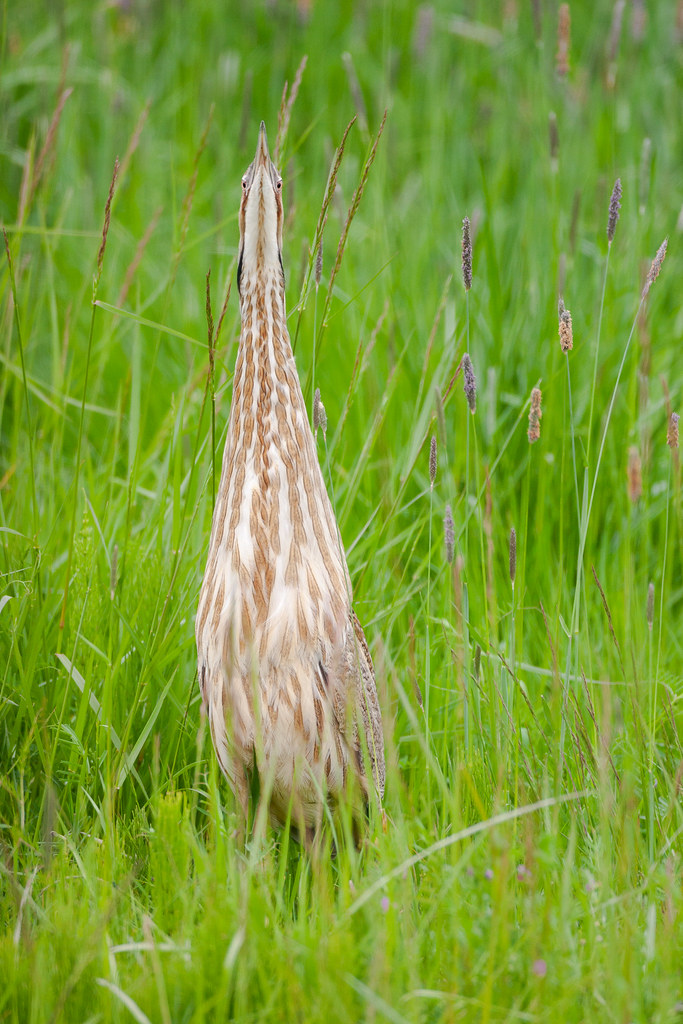
Bitterns can look like a football with a head attached so it always amazed me when they’d stand and stretch their necks up, and up, and up. Useful for seeing over tall grasses and also as a defensive pose, I saw them do it multiple times when bald eagles soared high overhead, although the subterfuge worked best when the grasses were brown instead of green. I was never quite sure how they distinguished the distant eagles from other birds of prey but I did a quick check of the skies if a bittern I had been watching suddenly struck a thin vertical pose.
Dew Blue
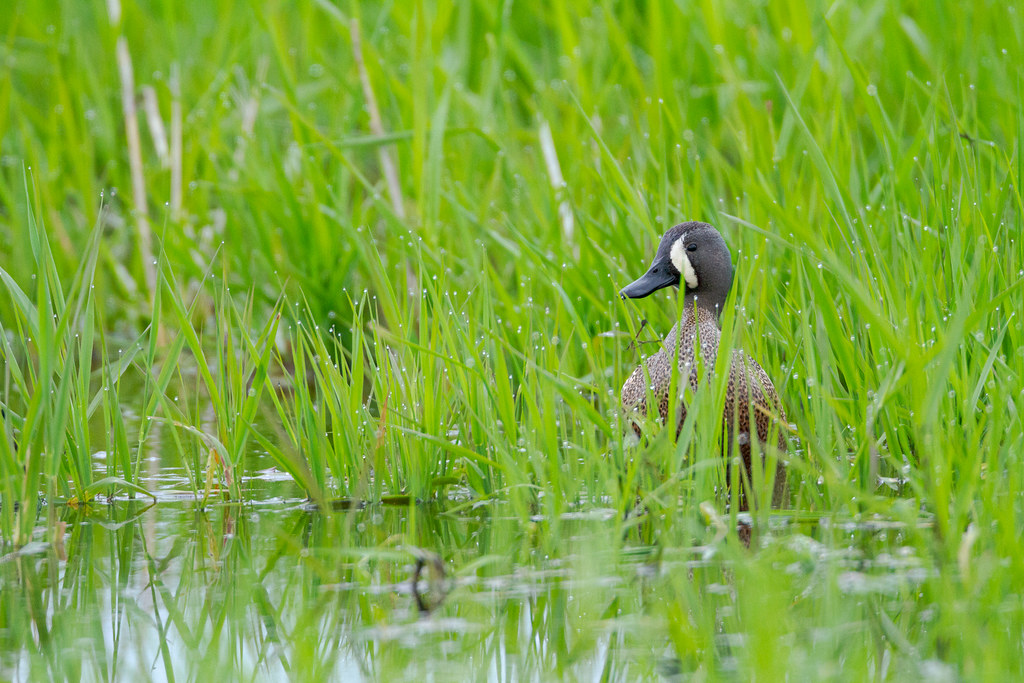
Green-winged and cinnamon teal were easy to see at Ridgefield but not so the blue-wings, so it was a special treat to find this lovely fellow in the dew-topped grasses growing in Horse Lake early on a spring morning in 2011. I spent the day at the little refuge, arriving at 6:30am and leaving at 5:30pm.
Swimmers
After moving to Arizona I have fallen in love with having a swimming pool in the backyard, swimming has become second only to hiking as my favorite way to exercise in the summer heat, even though I’ll never look as lovely in the water as this northern pintail swimming in Ruddy Lake at Ridgefield National Wildlife Refuge.
Northern
A female northern flicker searches for breakfast in a meadow on a rainy winter morning at Ridgefield in 2012. Given its widespread distribution across my country I wrongly assumed this would be the flicker I’d see most often in Arizona, but so far I’ve only seen the gilded flicker. To be fair I’ve only hiked in the desert, perhaps we’ll be reunited when I visit the forests. The two flickers are quite similar both in appearance and call, so in a way it feels like we were never separated.
Swimming in the Rain
On the Lookout
There was a period of time at Ridgefield where I came across what I called Hawk-on-a-Stick, juvenile red-tailed hawks perched on signs around the large meadow that would allow me to view them from close range. They didn’t often look directly look at me, which was a good thing, as it meant they were comfortable with me and on the lookout either for voles in the meadow or older redtails that might chase them away.