
Spending the afternoon with the hoary marmot colony at the end of the Summerland Trail remains one of my favorite hiking experiences.
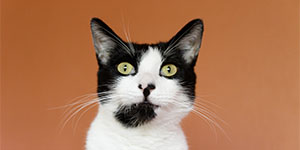
Scratcher of heads, rubber of bellies
Spending the afternoon with the hoary marmot colony at the end of the Summerland Trail remains one of my favorite hiking experiences.

While hiking the Summerland Trail in Mount Rainier National Park, I came across this rocket being built by the animals of the forest. Looking good!
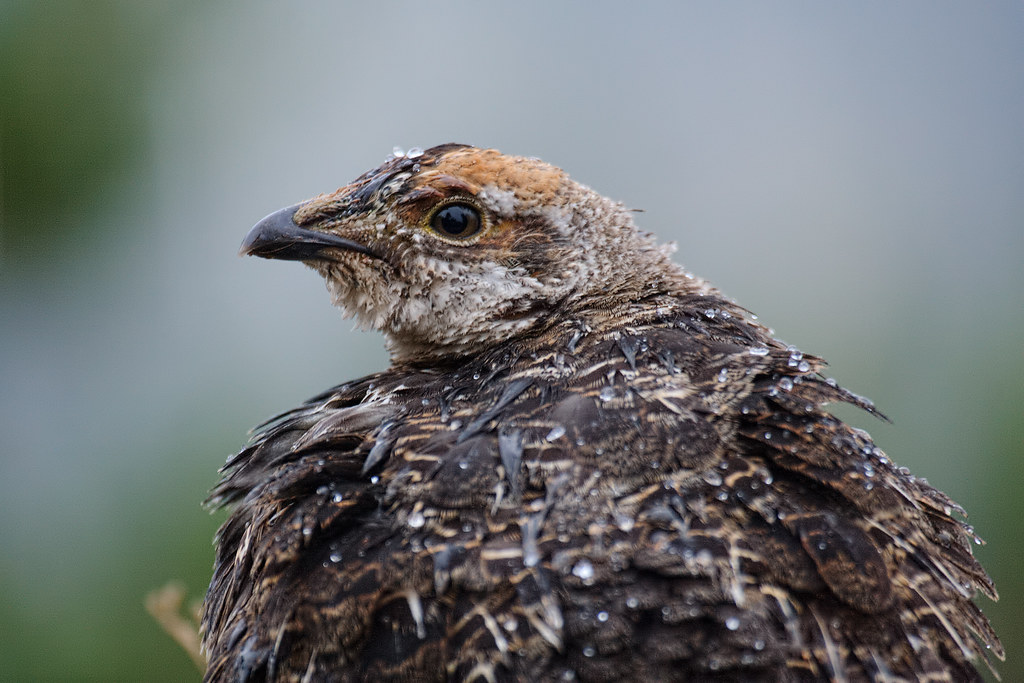
A sooty grouse covered in drops of rain on a cold fall day in Mount Rainier National Park.
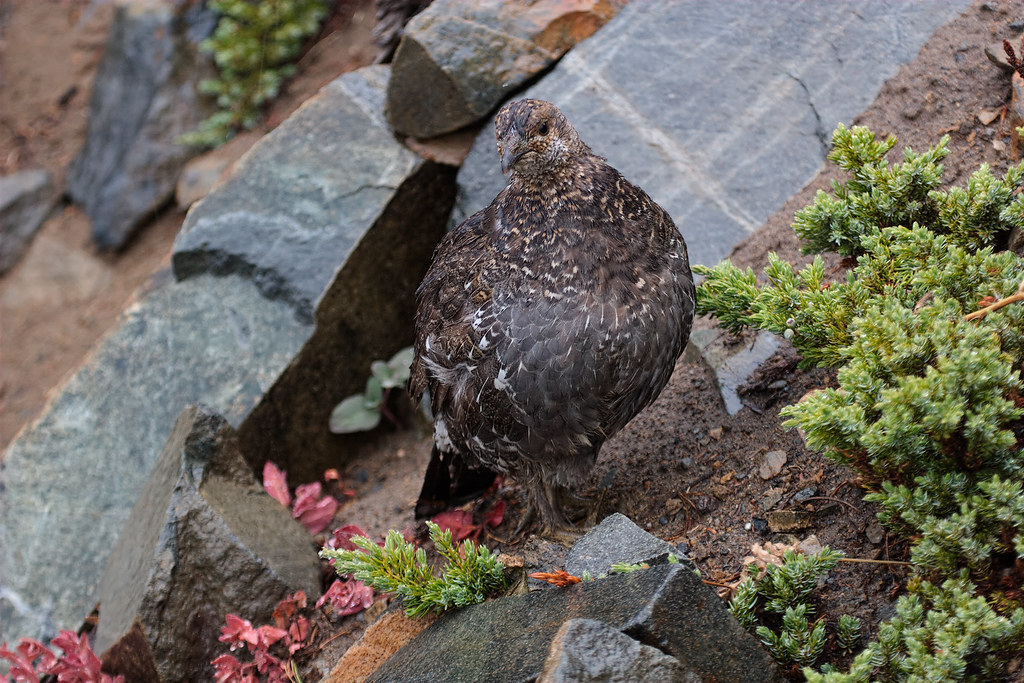
I had just arrived at the Sunrise area of Mount Rainier National Park and was taking a quick exploratory hike on the Sourdough Ridge Trail late in the day, as I had never been to that part of the park before. It was cold and raining but I found first a hoary marmot and then a group of sooty grouse on the way back to the car. My hands were soaked and cold so I was fumbling with the camera, but I watched them for as long as I could stand before continuing back to the car.

Nice try little grouse, nice try.

A cold and heavy rain whips down the hillside as a hoary marmot looks out from the talus field it calls home. This was the first time I had seen a hoary marmot, during my trip to Mount Rainier National Park in the fall of 2008.

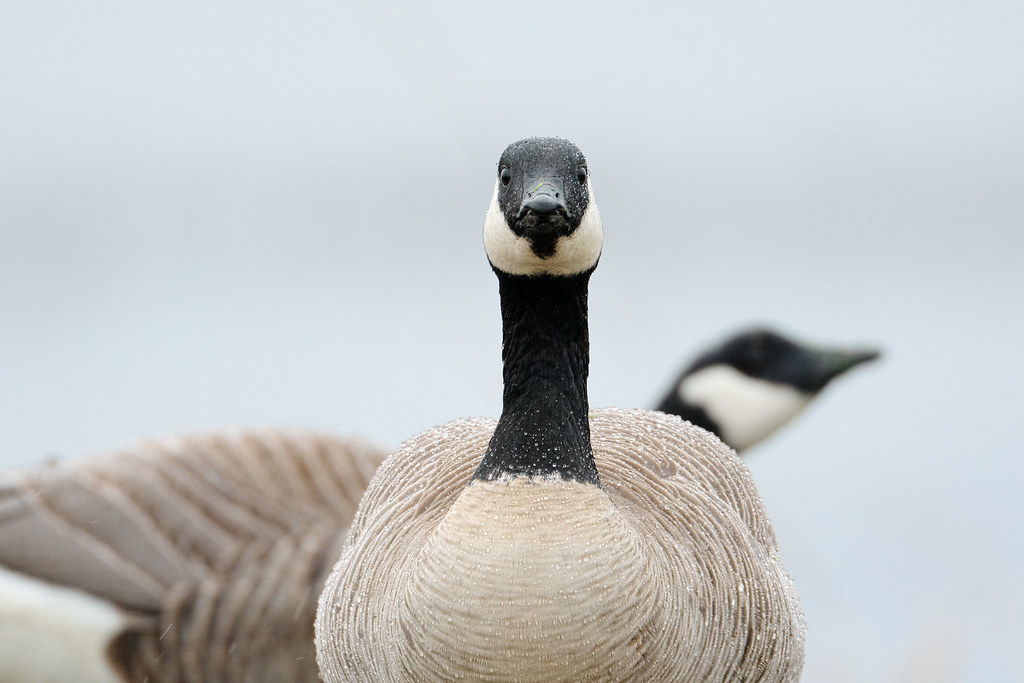
These Canada geese (or cacklers? I can’t tell the difference between small Canadas and large cacklers) were eating at Rest Lake in a heavy rain when they tilted their heads back to swallow, but the difference in the poses reminded me of people acting naturally before they see a camera but posing when they realize they’re being photographed.
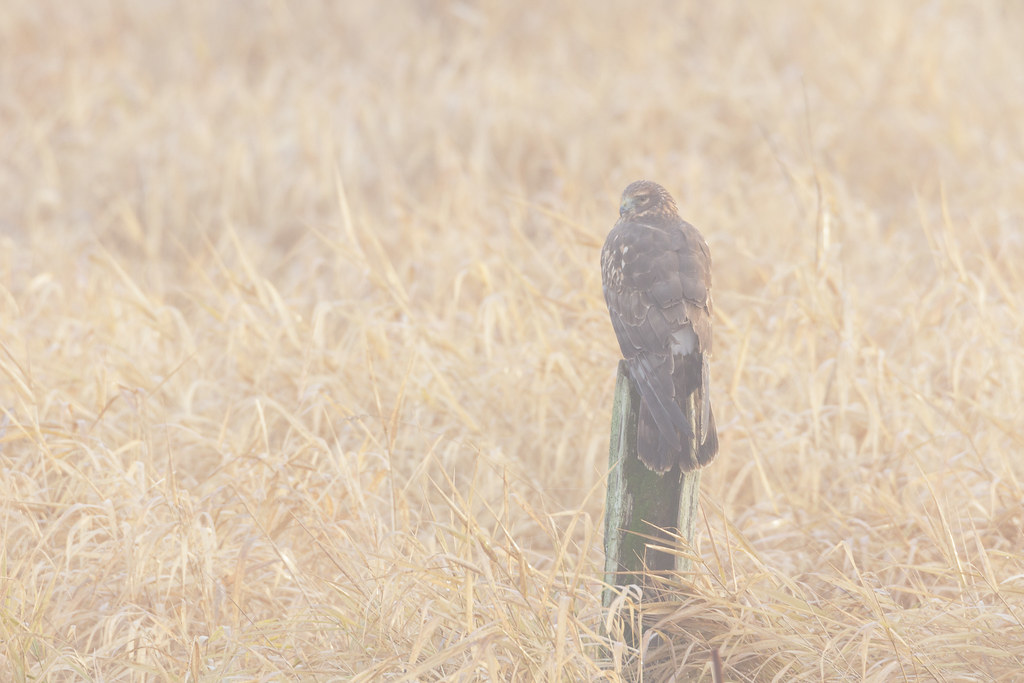
A northern harrier perches above the marsh at Rest Lake, sometimes obscured in fog, sometimes not, as the sun struggles to break through on a winter morning.

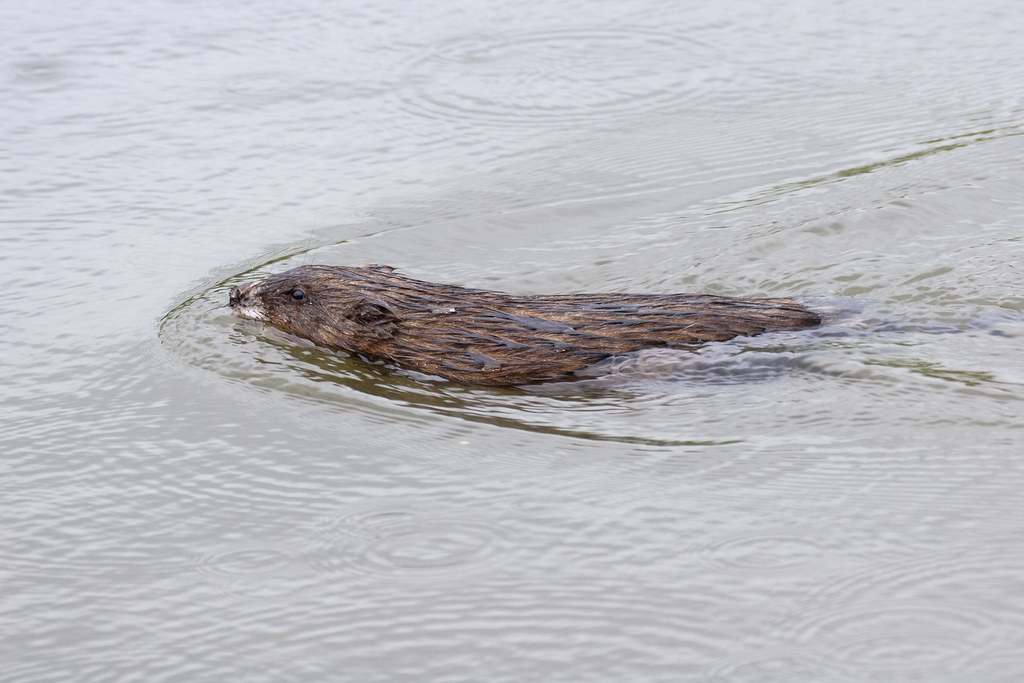
When I bought the Canon 20D in March of 2005, after taking test shots of the cats I went up to Ridgefield to test the camera before going on a trip to Japan. A light drizzle turned into a heavier rain when I came across this muskrat swimming near North Quigley Lake. As I was in the car the camera wasn’t fully exposed to the rain, and I did my best to keep it dry, but I was still a little nervous as it was its first time outside and it didn’t have any weather sealing. Most of the pictures were blurry as the autofocus was still pretty limited, but I enjoyed the improved speed of the camera itself. I used the camera for years and the rain never did it in, even though eventually it would get partially smashed on rocks and have a gaping hole at the top.

Killdeer nest on the ground in a shallow depression, often in gravel or sand, which is a bit of an issue at a place like Ridgefield where a gravel auto tour runs beside the many small ponds. A killdeer had laid four eggs in this nest at the edge of the road near the end of the auto tour, where the camouflage of the eggs will work against the likelihood of them not getting run over when the parents aren’t on the nest.
 Boolie