The Rippers

A close-up view of a juvenile red-tailed hawk

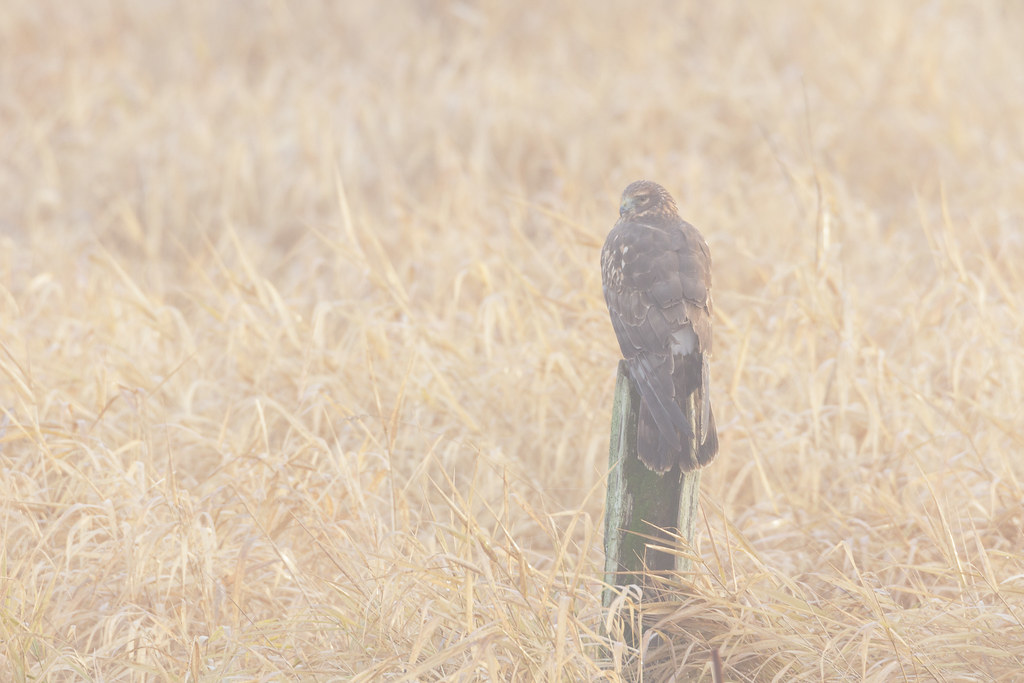
At Ridgefield, many creatures prey on the Townsend’s voles that live in the meadows and marshes. Some predators like herons, bitterns, egrets, and coyotes swallow the voles whole. Others like this red-tailed hawk (above) and rough-legged hawk (below) have beaks designed to let them rip apart their prey and eat only the parts they desire. If you watch them on a fresh kill you’ll see them pull out parts like intestines they don’t want and cast them aside so they can get to the muscles and organs they prefer. It’s a bit gruesome and I always feel for the little voles but at least they die quickly, this is how these beautiful but deadly birds have evolved to survive.

I photographed both hawks on the same day, and in nearly the same spot, the rough-leg right as the sun was cresting the hill and the red-tail over an hour later in direct sunlight.

A close-up view of a rough-legged hawk

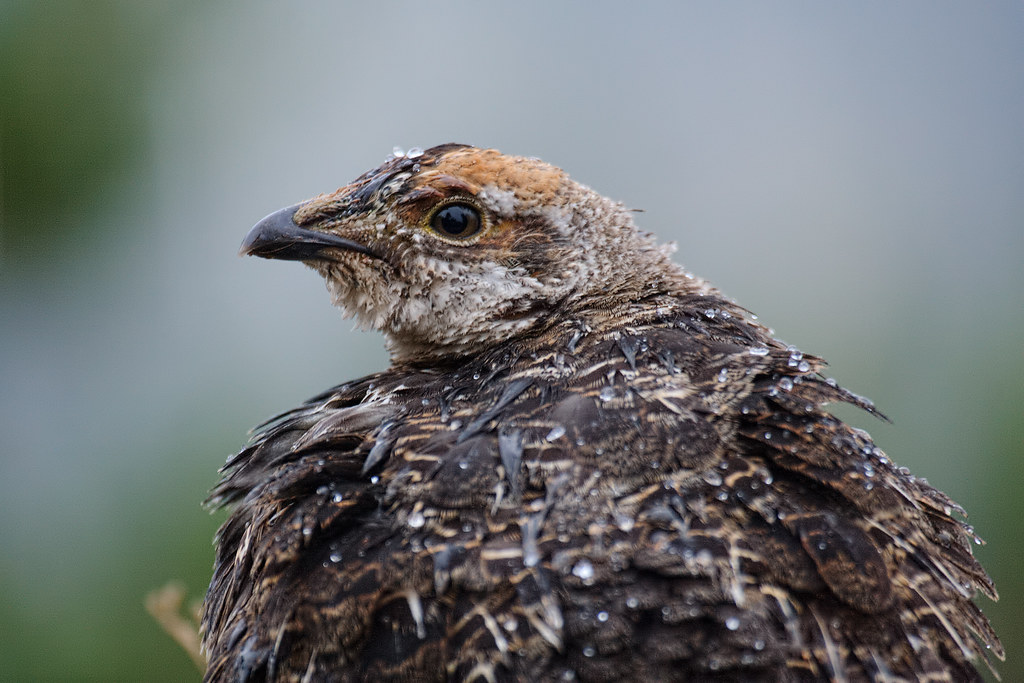
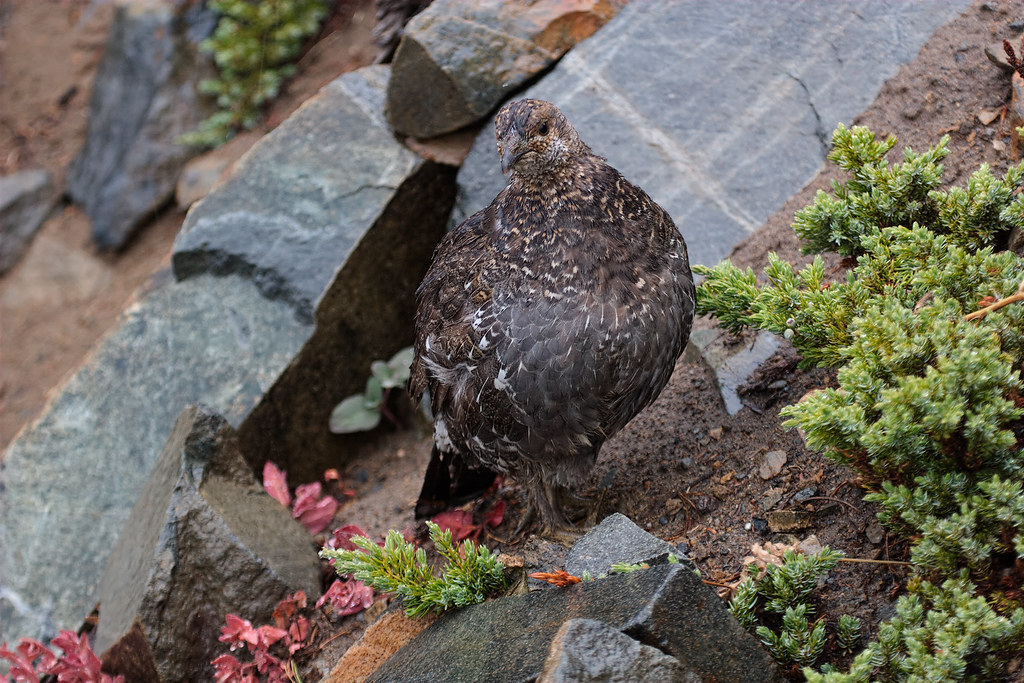
Fall Grouse

A sooty grouse on a rainy fall day on the Sourdough Ridge Trail in Mount Rainier National Park

I had just arrived at the Sunrise area of Mount Rainier National Park and was taking a quick exploratory hike on the Sourdough Ridge Trail late in the day, as I had never been to that part of the park before. It was cold and raining but I found first a hoary marmot and then a group of sooty grouse on the way back to the car. My hands were soaked and cold so I was fumbling with the camera, but I watched them for as long as I could stand before continuing back to the car.

How Animals Behave Before They See the Camera (and After)

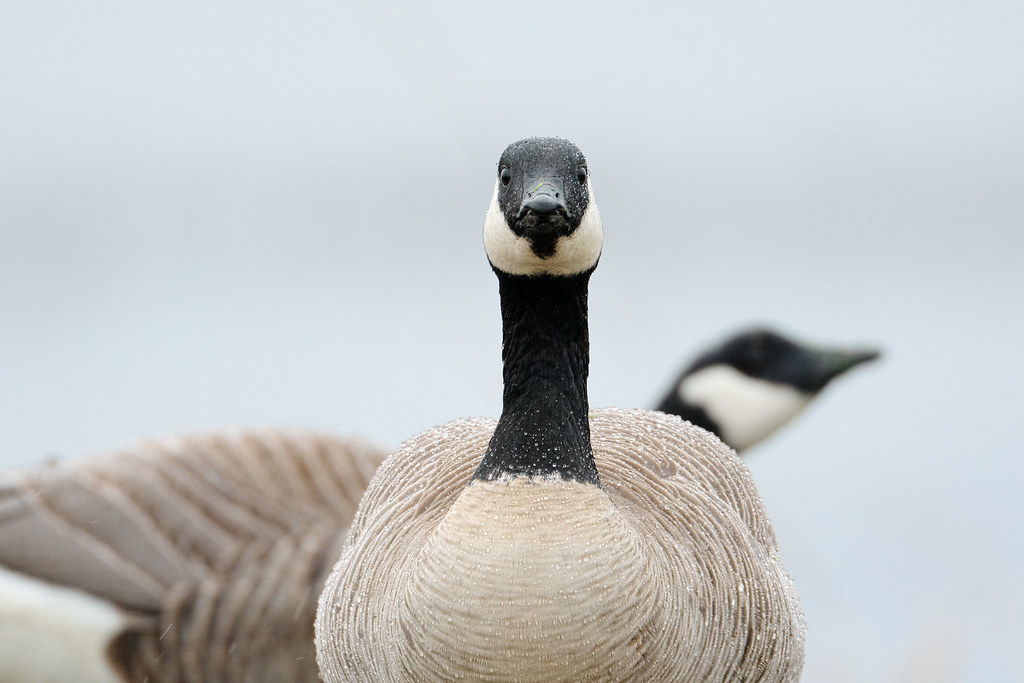
How Animals Behave Before They See the Camera

These Canada geese (or cacklers? I can’t tell the difference between small Canadas and large cacklers) were eating at Rest Lake in a heavy rain when they tilted their heads back to swallow, but the difference in the poses reminded me of people acting naturally before they see a camera but posing when they realize they’re being photographed.

How Animals Behave After They See the Camera

Doesn’t Mind the Rain

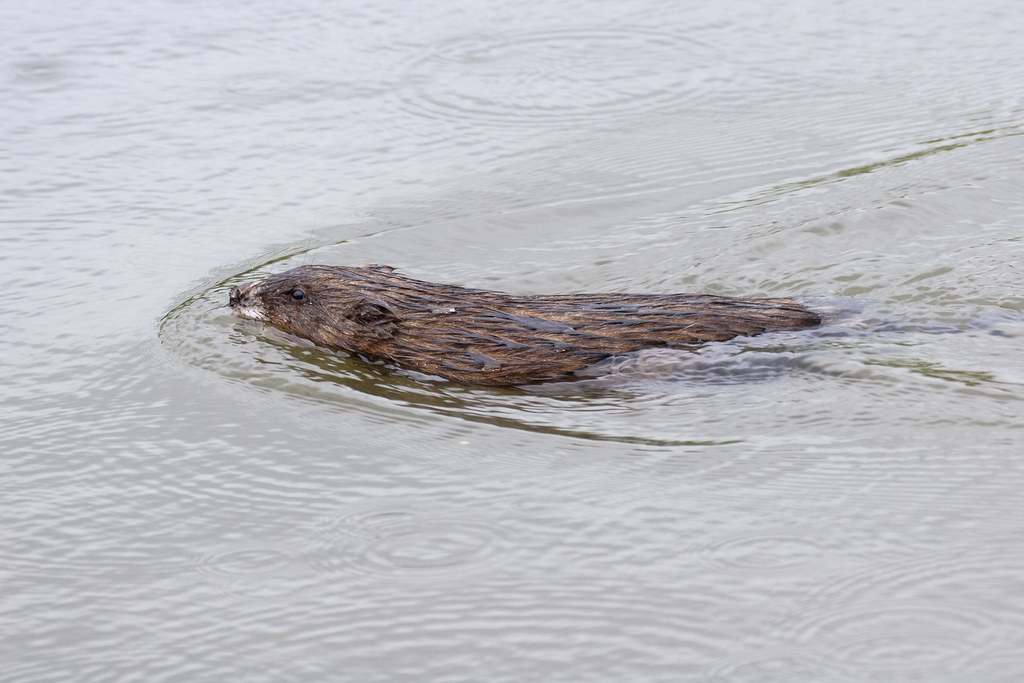
A common muskrat swims in the rain

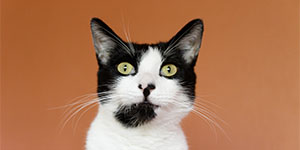
When I bought the Canon 20D in March of 2005, after taking test shots of the cats I went up to Ridgefield to test the camera before going on a trip to Japan. A light drizzle turned into a heavier rain when I came across this muskrat swimming near North Quigley Lake. As I was in the car the camera wasn’t fully exposed to the rain, and I did my best to keep it dry, but I was still a little nervous as it was its first time outside and it didn’t have any weather sealing. Most of the pictures were blurry as the autofocus was still pretty limited, but I enjoyed the improved speed of the camera itself. I used the camera for years and the rain never did it in, even though eventually it would get partially smashed on rocks and have a gaping hole at the top.