The Slow Reveal

A male red-winged blackbird sings at sunrise

Before returning in December, my previous visit to Ridgefield had been in January not long after Emma died, so at first my heart wasn’t in it. But after spending a long while watching a male red-winged blackbird at South Quigley Lake, I began to enjoy myself and stayed longer than I had initially intended. So I was looking forward to seeing them again this time but I didn’t see a single one in my first few visits. On the fourth trip I heard them but didn’t see them. I did finally see one on my fifth visit but didn’t get any pictures until the seventh, when this lovely male sang for me as the sun rose behind us.

House on the Lake

Orange reflections on the surface of Bull Lake

On December 30th I was at Ridgefield photographing a heron and egret as the sun began to set. They were both down in a channel slightly below the road so they fell into shadow before the surrounding area. I drove to the start of Bull Lake and watched a bufflehead diving for food until he too was no longer lit by the setting sun. I was about to call it a day when I noticed one section of the lake was a brilliant orange, a reflection from a house high on the hill above the refuge that was still lit by the rays of the sun.

I decided to use the reflections to play around with some abstracts, starting with a completely de-focused image, but got no further as when I went to adjust the focus the colors faded. When I looked up I saw that even the hills were no longer lit so I drove the short distance to the parking lot and packed up my gear and headed home. I was sick on New Year’s Eve and didn’t head out, so this inadvertently ended up being my last picture of 2015.

The Deluge

A male northern shoveler feeds during a heavy downpour at Long Lake in Ridgefield National Wildlife Refuge in Ridgefield, Washington on December 23, 2015. Original: _L1A7885.CR2

The rain here in the Northwest is frequent during the cooler months but it’s usually more drizzle than downpour, yet it has absolutely poured at times this month. I love photographing in the rain and am always a little disappointed when there’s a good strong shower but nothing to shoot. Fortunately I was already watching a group of shovelers feeding in Long Lake when a sudden deluge of large raindrops pounded the surface of the water. The ducks of course are built for wet weather and fed unabated, and soon enough the rain softened in intensity.

📷: Canon 7D II | Canon 500mm f/4L IS USM + 1.4x III
🗓️: December 23, 2015

High Water

A nutria feeds in Bull Lake in front of a partially submerged sign

We set a record for the wettest December ever when we were only three weeks into the month, and it has often rained since then, so it is no surprise that the water levels at Ridgefield are a little high. But not nearly so much as this picture would suggest, that sign is back near a hunter’s blind near the shore of Bull Lake, which itself is managed to mimic the flood plains of the Columbia before the dams went in. An unusually hot and dry summer left us with little snowpack in the mountains and we haven’t seen the widespread flooding we got when I moved here almost twenty years ago.

I took advantage of a two week vacation from work to return to Ridgefield (and going out to do photography in general) after a year’s absence. I’ve been up there six times so far and will probably go a few more times before it is time to head back to work. I’ve had a lot of fun and mostly photographed animals I’ve photographed many times before, biggest surprise was finding a short-eared owl up close, but I’ve been more surprised by what I haven’t seen: mammals apart from the ever-present nutria, and more importantly, my beloved bitterns.

I knew I was going to be hard-pressed to find bitterns when I drove by Rest Lake, which has by far been my best spot to find them the past few years, and saw that the way the water and the plants are in that area, the bitterns would be a lot more exposed than they like to be. I looked for them on every visit but didn’t see a single one. I still have a lot of old pictures to edit and get back online so regardless bittern pictures will be coming.

It was good to be back, the key will be to keep the momentum going and keep heading out once I’m back at work, as it is going to be a hectic month or two.
Surviving and Not Surviving into the New Year

Surviving into the New Year

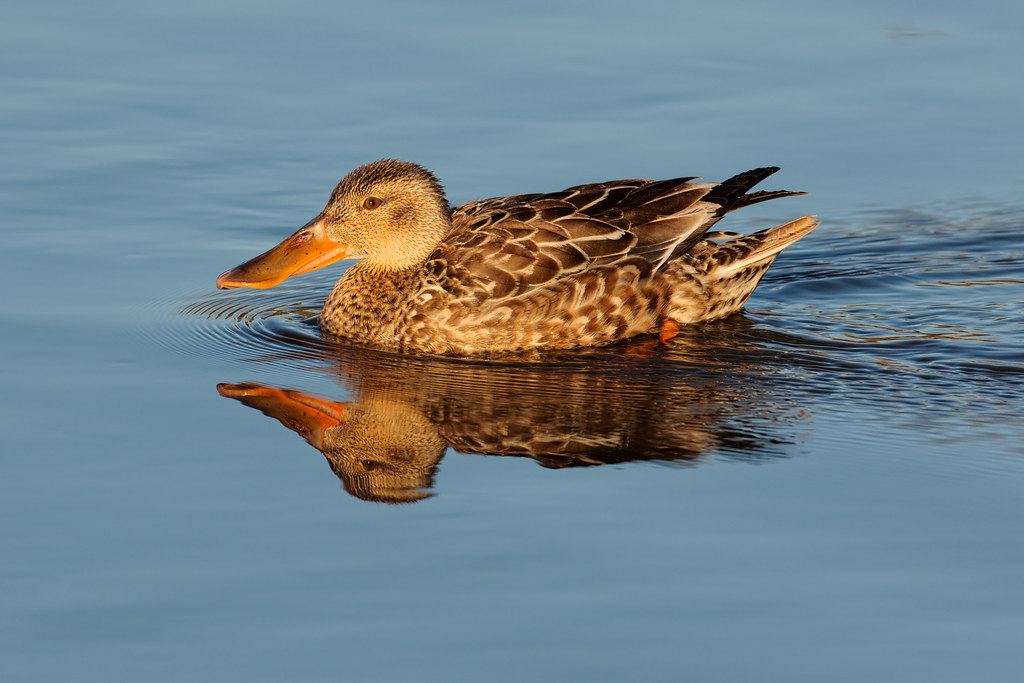
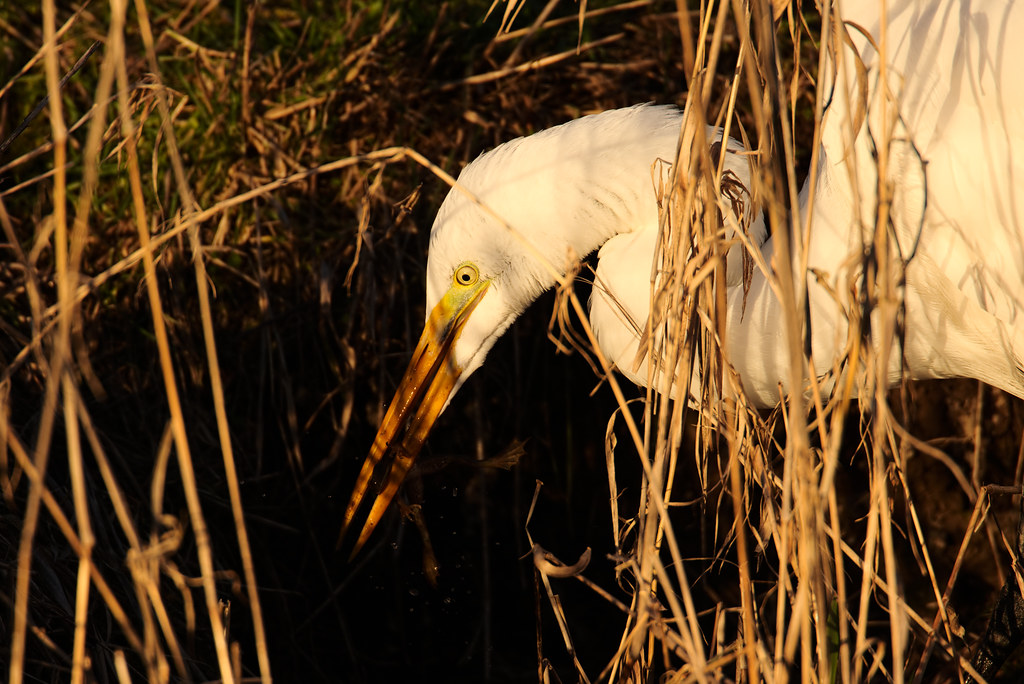
A shoveler swims past late in the day on New Year’s Eve of 2014, meaning she likely survived into the new year. The little bullfrog below almost made it into the new year but an egret plucked it from the shadows shortly before sunset. The bullfrogs move pretty slowly in the cold of winter and if spotted are easy pickings for the egrets and herons and bitterns that patrol these shores.

Not Surviving into the New Year