
Home in the Heights

A Harris's hawk nestling spreads its wings as it practices for flight by moving from one arm of the saguaro holding its nest to another, taken at sunrise on the Chuckwagon Trail in McDowell Sonoran Preserve in Scottsdale, Arizona in June 2019

When I hiked to this Harris’s hawk nest back in June I noticed one of the chicks had fledged and this one was getting close, practicing by hopping from one arm of the saguaro to another, already at it when I arrived before the sun was even up, with the adults occasionally bringing in something to eat. I nicknamed it Trixie as it would eat just a few bites before returning to flight practice, then go back for a few bites, much like our youngest cat who likes to nibble at her food then play play play, repeat repeat repeat.

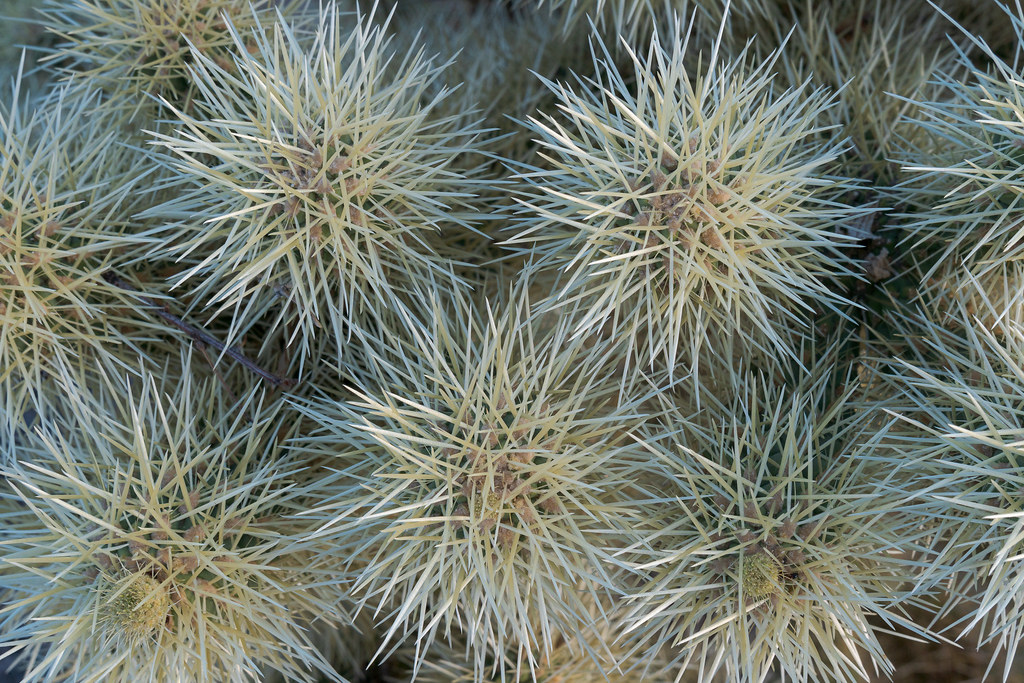
In the low light before sunrise, knowing it would be hard to freeze the motion of the young bird constantly on the move, I did what I had been meaning to do on several previous visits, zoom out to give a view of the saguaro holding the nest. The cactus doesn’t have the classic look of the tall central spire but does have an ample space to hold the nest. If you look at the teddy bear cholla in front of the saguaro (the light colored cholla in between the darker buckhorn cholla) there’s a nest of a smaller bird.

An environmental portrait of a Harris's hawk nestling practicing for flight by moving from one arm of the saguaro holding its nest to another, taken before sunrise on the Chuckwagon Trail in McDowell Sonoran Preserve in Scottsdale, Arizona in June 2019

I was rather surprised when we moved here to see so many birds nesting in the various types of cactus as it seemed a rather inhospitable place to build a home. But it must give them a fair amount of protection from ground predators that can climb trees but can’t deal with the cactus spines, but if a fledgling falls from the nest it doesn’t have far to fall. Contrast that with the red-tailed hawk’s nest I saw up on the canyon walls, where a slip off the narrow ledge would result in a deadly fall, or the bald eagle’s nest in Washington that was high up in a massive tree.

I had intended to hike past this nest on the Chuckwagon Trail and then take a familiar loop back to the car, but after spending the first part of the morning watching this young bird building its agility and its confidence, I got distracted by a handful of lizards in a rock formation just up the trail, so with the morning wearing on I just took the Chuckwagon back to the trailhead. Although I didn’t get as much exercise as intended it was a positive result, Ellie had died two months earlier and it was a sign of how much I had healed that I could sit still for so long, an impossibility in the weeks after she died.

Big Breakfast

A verdin, missing most of its tail feathers during a molt, sticks its head into a prickly pear fruit to eat on a cloudy morning in the Troon neighborhood of Scottsdale, Arizona in September 2019

Watching the verdin eating from fruit almost as large as themselves, I wondered how it would look if I tried to wring every drop of sustenance from a five foot watermelon using only my face. This one had to fly precisely onto a cactus with thorns as long as its legs while missing many of its tail feathers but it did it with aplomb. Given their short beaks I don’t know if they open up the fruit themselves or if they leave the honors to something like a woodpecker with a longer beak and a head designed for hammering.

Neckties

A verdin perches on a prickly pear spine with a line of fruit juice running down its front in the Troon neighborhood of Scottsdale, Arizona in September 2019

The verdin were looking a bit ragged, some unlike this one didn’t have much of the normal yellow coloring in the face. They were all wearing damp maroon neckties, a temporary adornment not because they had been bathing in the blood of their enemies but because they had been eating the fruit of the prickly pear. When I got home I found a nice paper online that confirmed my suspicion that this is the time of the year when they molt.

Verdin

A verdin covered in prickly pear juice looks at me as it pauses while eating in Scottsdale, Arizona on September 15, 2019. Original: _DSC9684.ARW

Sunday morning instead of going for a hike I took a long walk through the neighborhood. It was my first time doing it alone since we moved here, my wife and I took a short one a few months ago, but this time I walked much farther. Natural landscaping abounds so I was greeted with many of the same creatures I’d see on the trails, but many communities are gated so I was limited in where I could wander. The hardest part was walking without Ellie, my constant companion for a decade, so I was delighted when on the way back a 3 year old pup named Jackson strained at the leash to meet me and then showered me with kisses when I crossed over to meet him. As I neared the house I saw familiar faces flitting about a patch of prickly pear, dining on fruit almost as large as themselves.

Blue

A male Gila woodpecker peeks out of his nest in a saguaro in the blue light before sunrise along the Jane Rau Trail in McDowell Sonoran Preserve in Scottsdale, Arizona in April 2019

On that April morning we were up before the sun, he and I, one to mend a broken heart, one to feed his hungry children. Ordinarily I would have loved to watch the comings and goings of this Gila woodpecker and his mate as morning broke but Ellie had died a week earlier and standing still meant being alone with my thoughts, a place I was not yet ready to be. I quickly moved on but with each passing week I was able to slow down more and more until I could happily stay in the moment for as long as my heart desired.

On Pins & Needles

A curve-billed thrasher perches on a chain fruit cholla on the Marcus Landslide Trail in McDowell Sonoran Preserve in Scottsdale, Arizona in December 2018

No matter how many times I witness it I can’t quite wrap my head around how birds can fly in at full speed and land on a cactus with densely packed spines, such as this curve-billed thrasher on a chain fruit cholla. I adore this cholla (and the similar teddy bear cholla) but they are best appreciated at arm’s length, they are even more fearsome than they look.