
A tundra swan lowers its large webbed feet as it slows down in preparation for landing in Rest Lake.
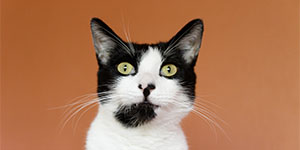
Scratcher of heads, rubber of bellies
A tundra swan lowers its large webbed feet as it slows down in preparation for landing in Rest Lake.

A simple portrait of a male bufflehead as he swims across Rest Lake on a winter afternoon.
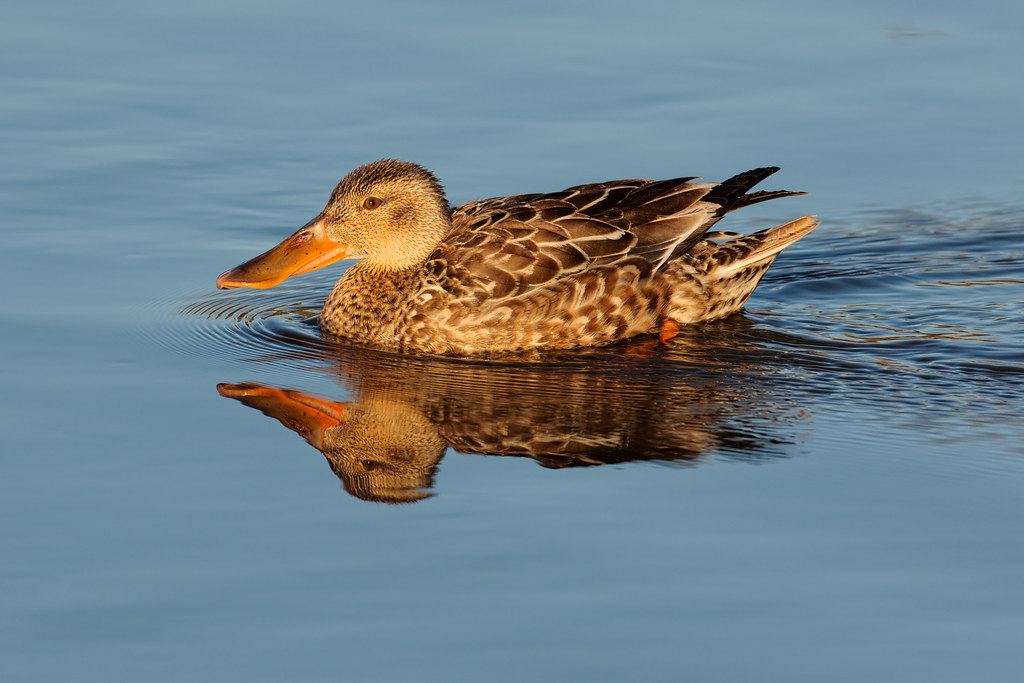
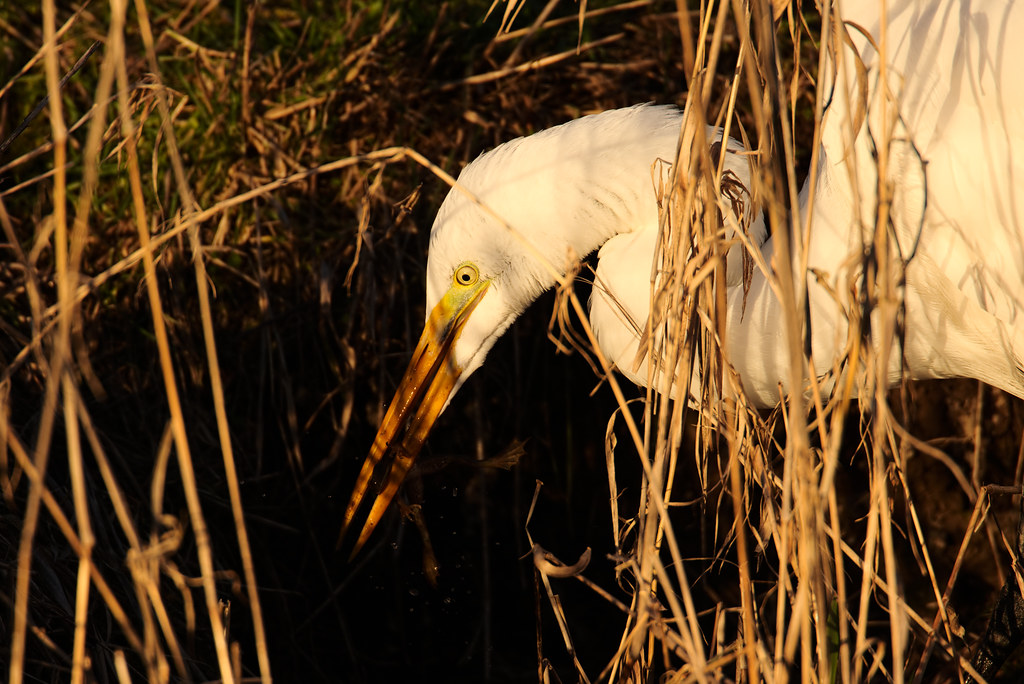
A shoveler swims past late in the day on New Year’s Eve of 2014, meaning she likely survived into the new year. The little bullfrog below almost made it into the new year but an egret plucked it from the shadows shortly before sunset. The bullfrogs move pretty slowly in the cold of winter and if spotted are easy pickings for the egrets and herons and bitterns that patrol these shores.

A song sparrow sings on an early March morning. You can see some bird droppings on the blackberry below it, suggesting this is a favorite perch, as birds often eliminate their waste before taking flight.
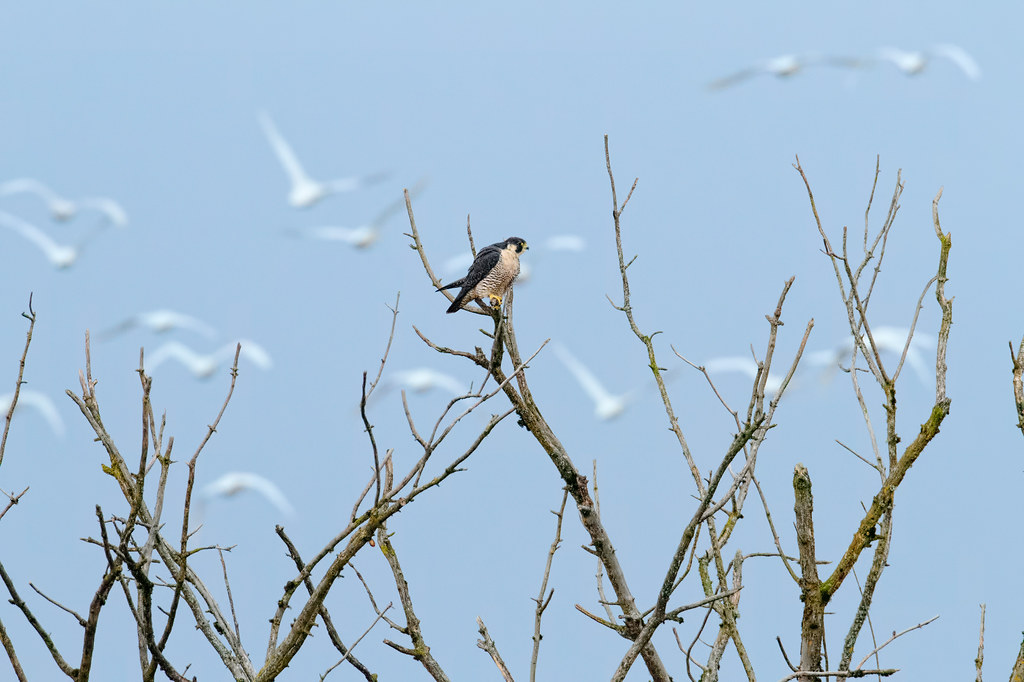
A peregrine falcon perches above Canvasback Lake as tundra swans fly past in the background. The swans winter at Ridgefield in large numbers and are impossible to miss, but seeing a peregrine, while not rare, is much less common. I think this is the tundra race of peregrine.
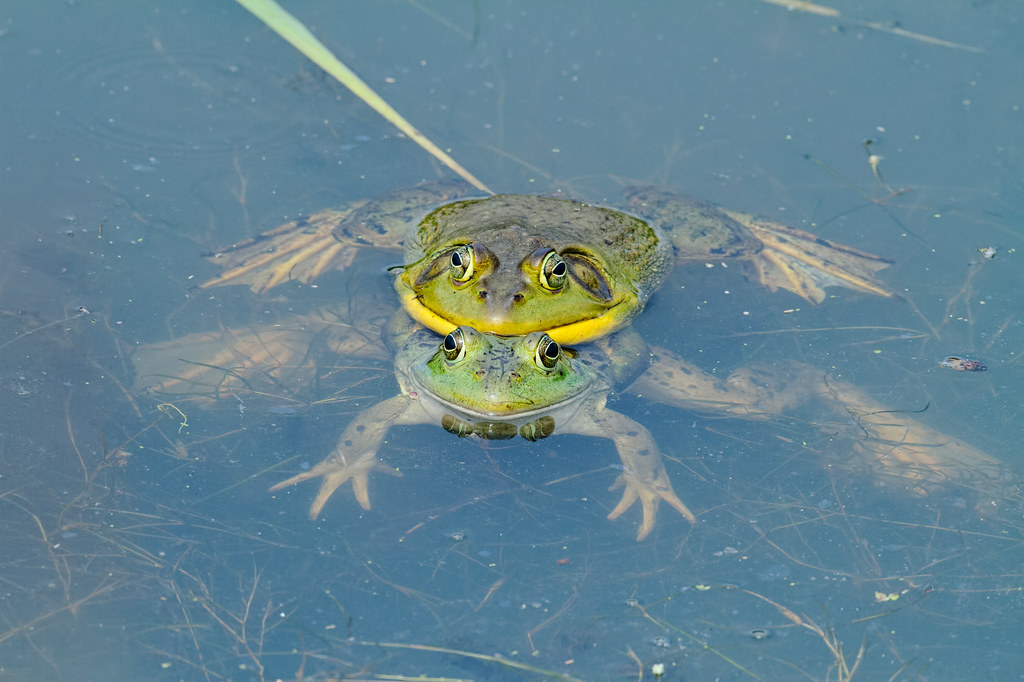
These mating bullfrogs were serenely floating in the water while around them was chaos, with males playing leapfrog and wrestling each other into submission and croaking loudly. The male here is the one on top with his characteristic yellow throat and large tympani (the eardrums, the big circles behind the eyes). The water was mostly still but there was a subtle current and they both used their webbed rear feet to control their speed and balance. They don’t have webbing on their front toes, so the female used her front legs to maintain balance while the male has his wrapped around her body.
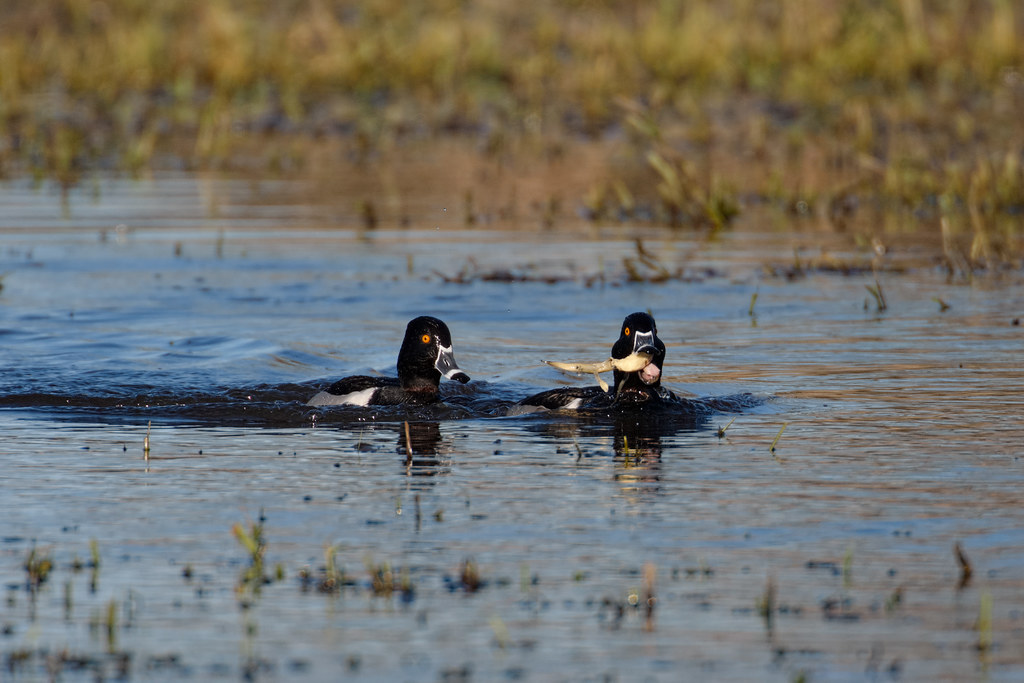
Sometimes animal behavior seems all too familiar to our own.
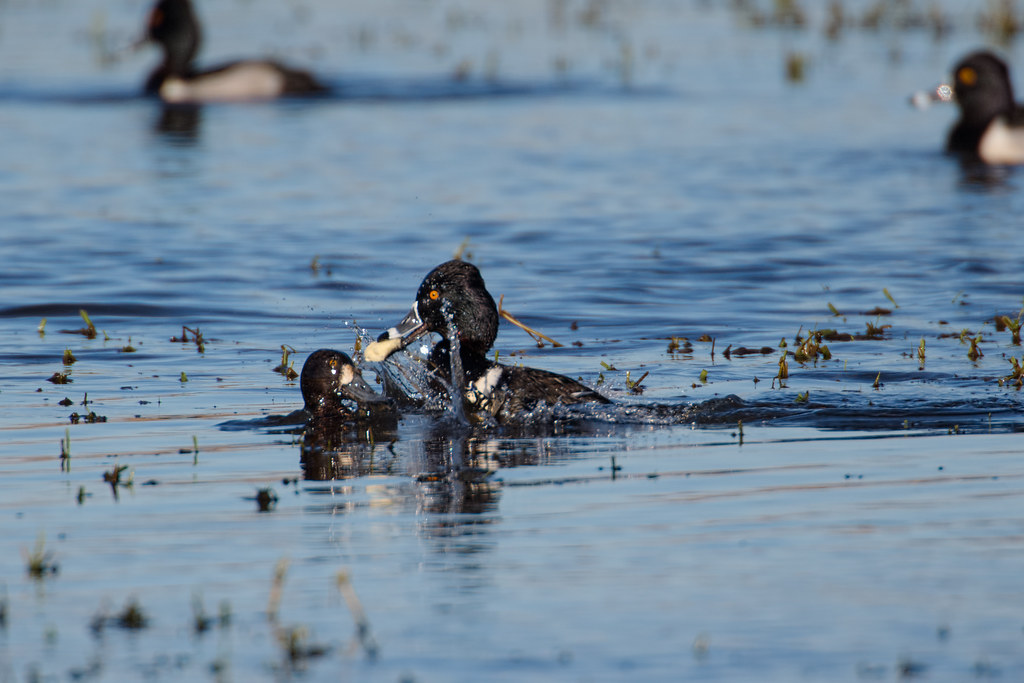
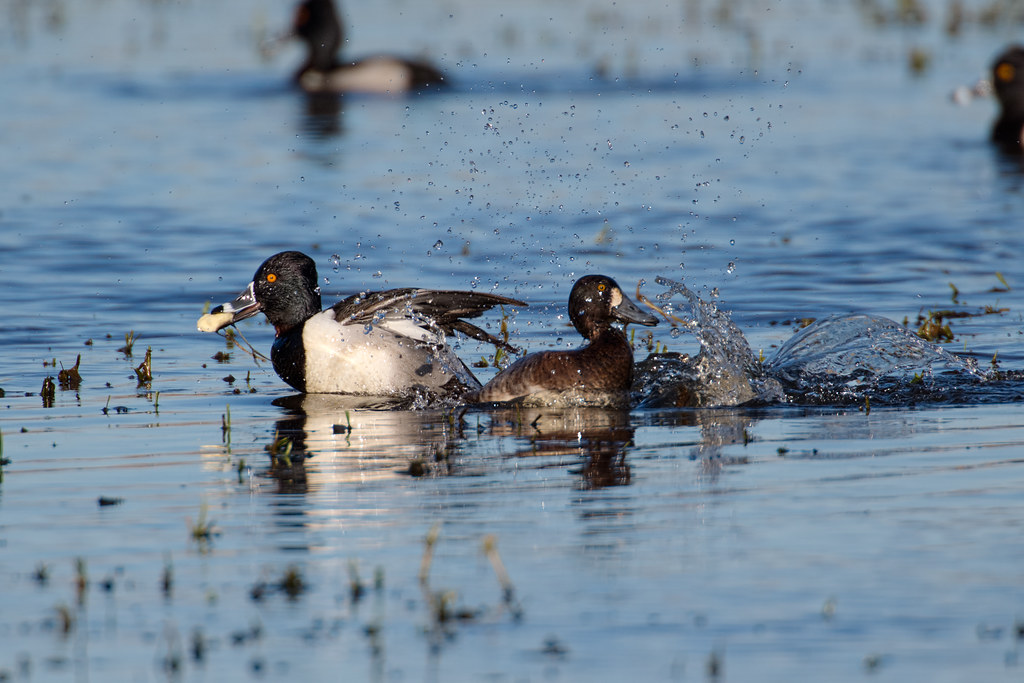
A small flock of ring-necked ducks was diving under the shallow waters of Bull Lake to feed, sometimes bringing up what I’m guessing is the root of an aquatic plant. Whatever it was, the ducks were very fond of it, and the one that surfaced with it would swim away from the others while trying to quickly eat it, all while any nearby ducks would try to swim over and steal it and eat it for themselves. I wasn’t sure which of these two males actually surfaced with the plant but the chase was on.
While in a mad dash to escape with his food, the ring-neck swam directly over a lesser scaup as she was surfacing, leaving her rather startled but none the worse for wear. He held onto his prize and was able to eat it at last.

Coots often hang out in large groups and when it gets cold enough to freeze the ponds at Ridgefield, such as this cold New Year’s Eve morning, the constant movement of the flock helps keep part of the pond from freezing. This not only benefits them, as they dive under the water both to feed and to avoid hunting eagles, but other waterfowl as well, such as the bufflehead who would join them the following morning.

A preening heron is momentarily left with a pompadour on a cold New Year’s Day. I thought it a good look but it must not have agreed, for it pulled the feathers back tight against its head and resumed its grooming.
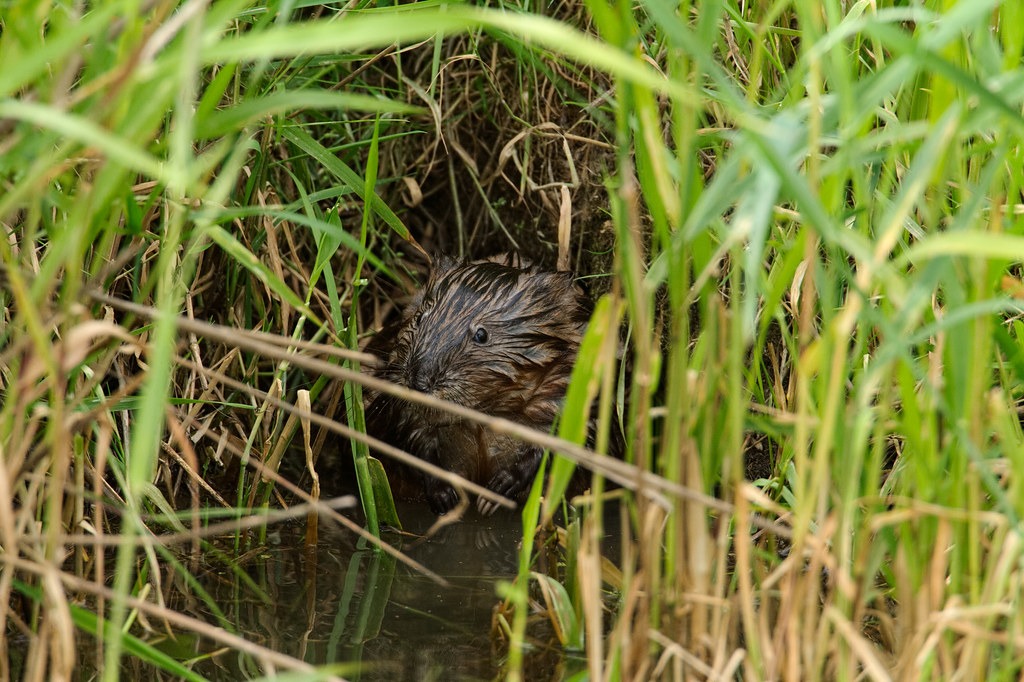
A muskrat pauses above the underwater entrance to its burrow.
 Boolie