

When we moved to Oregon, my wife and I would sometimes go out for a drive just to get the lay of the land. One day as she was driving and I was navigating, we were heading south and looking for a good place to turn around. The map showed that we could take one highway into Junction City and then take a different route back north, so we decided to do that. On the way out of town we crossed over a river and at a glance I thought I spied a bald eagle atop a large tree.
I assumed it was a decoy, like those placed to scare off pigeons and geese, but a second glance confirmed that this was a living, breathing eagle. My first! I leaned back in my seat and wondered what sort of wonderland we had just moved to, where you could drive down an ordinary highway and see bald eagles in the trees.
We’d see more eagles over the years, including one on our honeymoon perched over the Rogue River, but they were mostly occasional glimpses until I discovered Ridgefield. Eagles are common there in winter and spring, most of the close views are of younger eagles but occasionally you’ll get a good view of an adult.
Even so, I was speechless when I made a return to Ridgefield in April after being sidelined with a bum ankle and found this adult on a dead snag in Long Lake, right beside the road. There’s close and then there’s close. I eased the car up behind another that had already stopped and watched the eagle in the wind and the rain. It hung around for another 15 minutes before taking off for the interior of the refuge.
Every time I think I should spend less time at Ridgefield, because I do spend an awful lot of time there, my little wonderland offers up a surprise like this and keeps me coming back for more.
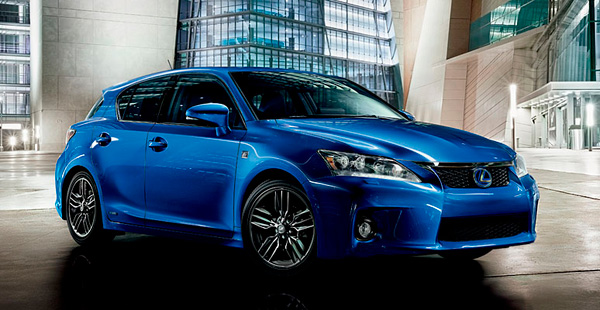
I had another nice surprise when we visited the auto show in January. I had started to do some research before the show and had some vehicles in mind that I wanted to see, but my wife and I agreed just to walk around and look at everything. Which was fortunate because otherwise I wouldn’t have stopped at the Lexus booth.
But there it sat at the edge of their display, a gorgeous little hatchback, and I was smitten. I walked around to the placard and saw it was a hybrid, got pretty good gas mileage even in the city, and while a bit expensive wasn’t out of reach. It had some nice touches like a memory system not just for the seats but also the mirrors and telescoping steering wheel. It had the new knee airbags for both driver and passenger. Turn indicators on the side mirrors. Whiplash-reducing seats. And the staff didn’t think it beeped when it backed up the way the Prius does.
And there it was. A great car for Ridgefield. A great car for my commute. I had found my next car.
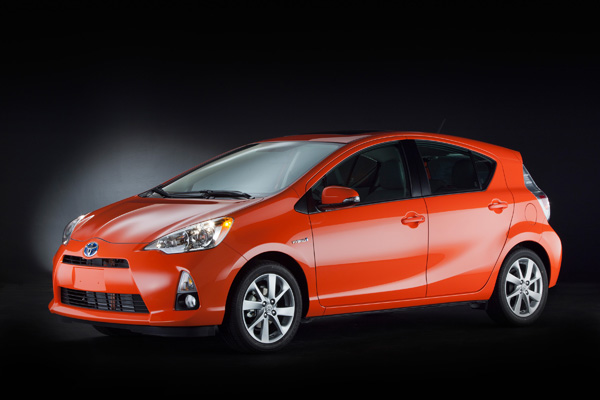
But then I got home and did more research and it’s luster began to fade. It turns out it does beep like the Prius when you put it in reverse and you can’t eliminate it entirely. And it also has a new pedestrian warning system that makes these oddball sounds when you’re moving otherwise silently in electric mode.
My quiet Ridgefield car was gone.
And that nice memory system that would make it easy for both my wife and I to drive the car? In our area it’s only available as part of a $6400 package full of other things I don’t care about. And despite the tone of the Lexus advertising, it wasn’t any faster than the Prius.
I’ve been mentally sorting the cars we look at into a tiered list, and suddenly the little Lexus started falling fast. My heart keeps shoving it back up the list but my brain keeps shoving it back down. For now the brain is winning and the Lexus isn’t even in the top tier, but my heart is OK with that as it’s convinced that with one test drive the little hybrid’s charms will overcome all objections, even that infernal beeping and the high cost.
My brain is equally convinced it won’t.
If the time comes to replace the Civic, we’ll see which one was right. My money’s on the …






 Boolie