
The mottled coloring of this harbor seal at Yaquina Head reminded me of our tortoiseshell cat Trixie, who I would see shortly, as this was the last day of my short trip to the coast.
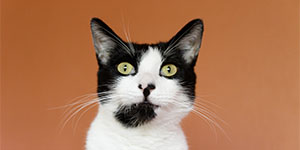
Scratcher of heads, rubber of bellies
The mottled coloring of this harbor seal at Yaquina Head reminded me of our tortoiseshell cat Trixie, who I would see shortly, as this was the last day of my short trip to the coast.
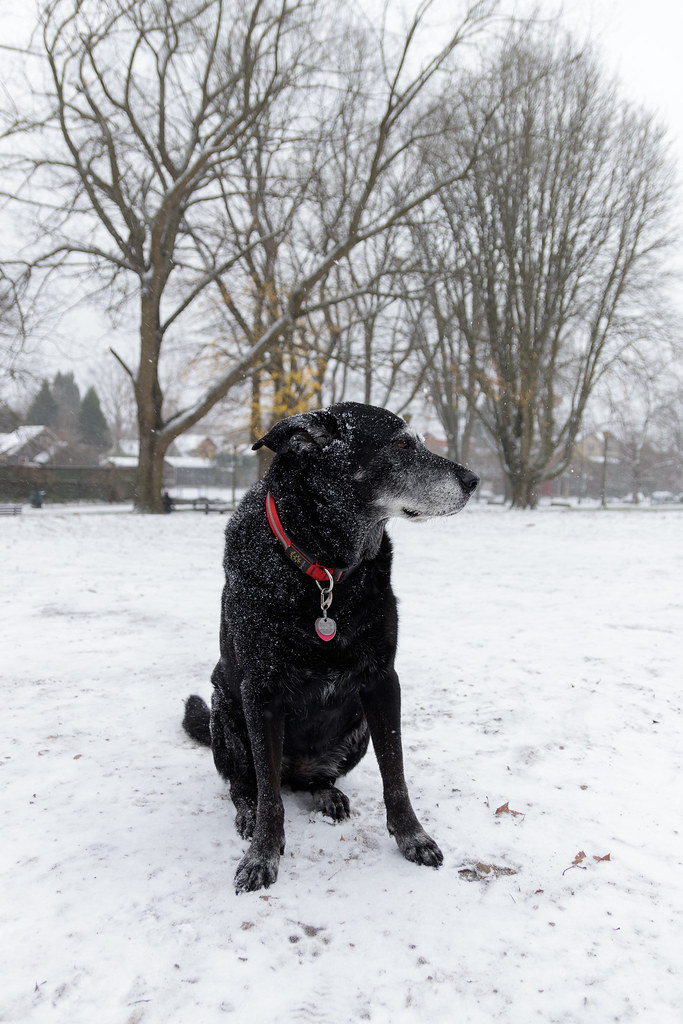
The past couple of days Ellie has only wanted to go on 45 minute walks, still amazing for her age, but not quite the adventurous 60 to 90 minute walks of previous days. One thing I’ve noticed as she’s aged, in addition to the stiff legs and shortness of breath, is that at an intersection she tries to take the diagonal across instead of crossing each street in turn. She I suppose intrinsically understands the shortest distance between two points is a straight line, and at her age wants and needs to minimize effort, but it always makes me think of the famous theorem that bears Pythagoras’ name. It made a big impression on my young self when I first learned of it and I realized the world of mathematics, and our world it describes, is both profound and beautiful.
Despite this I make Ellie take the long way round, crossing each street one at a time instead of taking the diagonal, as we live in the world of the automobile and it is their rules that govern our walks. She doesn’t understand, but then neither do I.

There have been multiple generations of Rosies in Yellowstone, a name given to a line of female bears that has stayed near the Roosevelt area. According to a park ranger on my fall visit in 2006, the previous Rosie didn’t appear to have survived the winter, she had lost a lot of fur before she hibernated. The new Rosie was a fine mother, looking carefully after her two cubs (who were following her just out of frame). She’d been tagged in her ears to help identify her, although its hard to tell in this picture since it matches the bits of brown leaves in her fur. The picture was a bit of a nod to wildlife photographer Nick Nichols, whose work in National Geographic inspired me. The light was low and the bear moving, so I tried to capture the movement with a low shutter speed and panning with the bear instead of trying to go for sharpness and freezing its motion. A technique Nick did well but I did not, but I still enjoyed the moment.
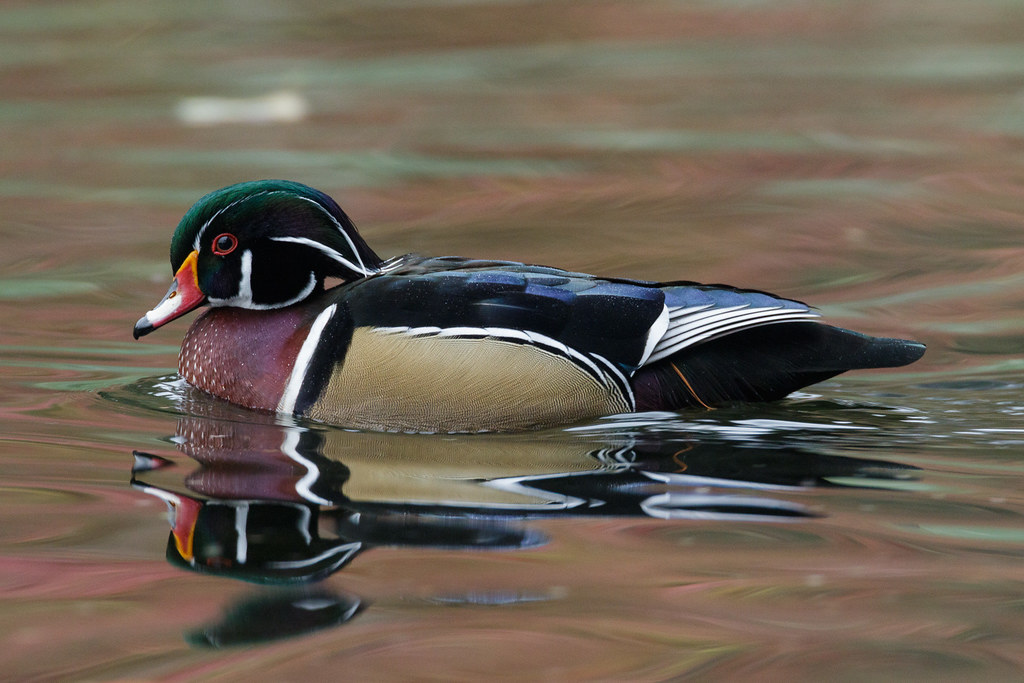
Subtle is not a word you would use to describe the breeding plumage of the male wood duck, but the light in the shade muted the colors of both the duck and the reflections of the fall color in the water.

One of my favorite pieces of artwork in our neighborhood.
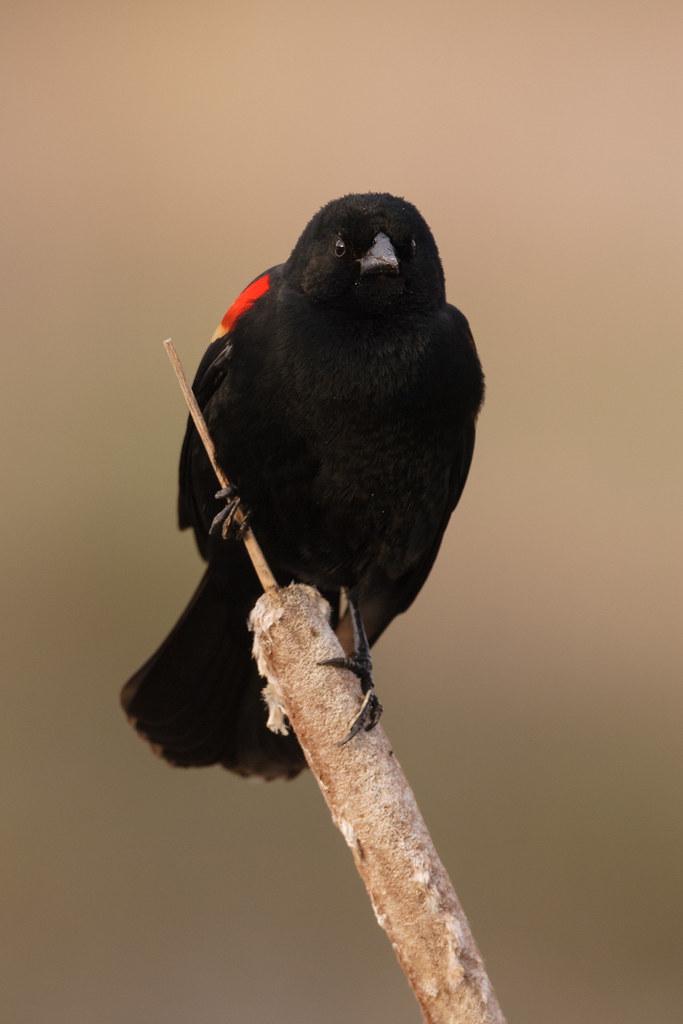
From 2008, a simple portrait of a red-winged blackbird perching on a cattail. Sometimes I need simple.

Sam finished a round of antibiotics but is still showing no signs of improvement. He’s due to see a specialist on Monday as whatever is bothering him is a bit unusual and not responding to the normal treatments. On the plus side, while it takes multiple feedings to get him to eat all his food, he is digesting it well enough that he hasn’t lost any weight, and isn’t in any pain other than the discomfort in his GI tract. He is as snuggly as ever, our little medical mystery, but I’m not in the mood for mysteries.

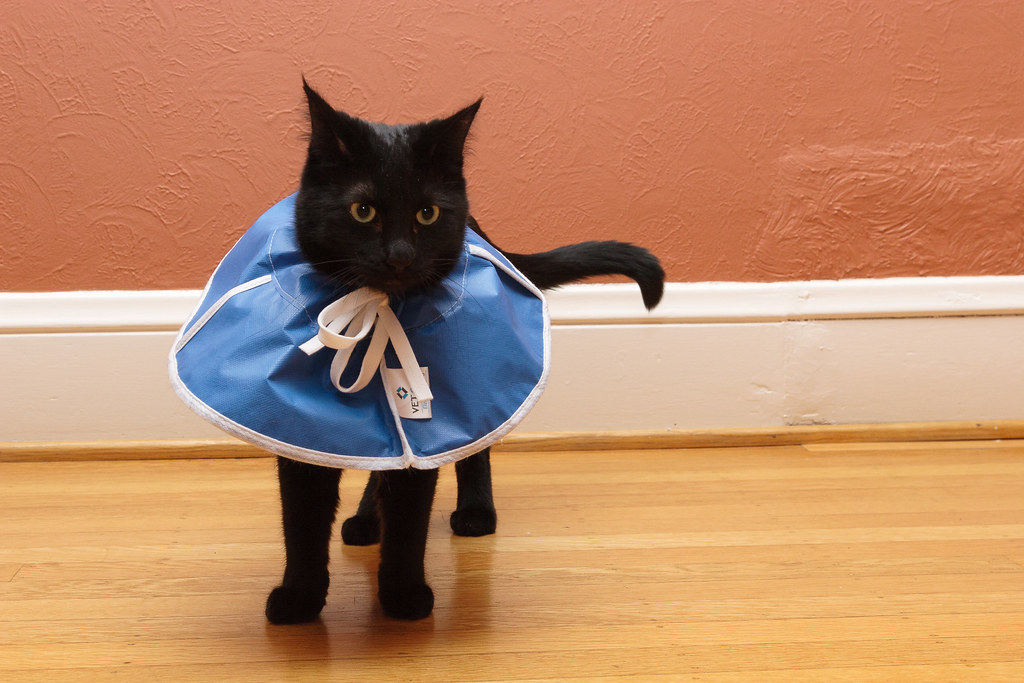
Emma wasn’t buying it.

At Ridgefield, many creatures prey on the Townsend’s voles that live in the meadows and marshes. Some predators like herons, bitterns, egrets, and coyotes swallow the voles whole. Others like this red-tailed hawk (above) and rough-legged hawk (below) have beaks designed to let them rip apart their prey and eat only the parts they desire. If you watch them on a fresh kill you’ll see them pull out parts like intestines they don’t want and cast them aside so they can get to the muscles and organs they prefer. It’s a bit gruesome and I always feel for the little voles but at least they die quickly, this is how these beautiful but deadly birds have evolved to survive.
I photographed both hawks on the same day, and in nearly the same spot, the rough-leg right as the sun was cresting the hill and the red-tail over an hour later in direct sunlight.


