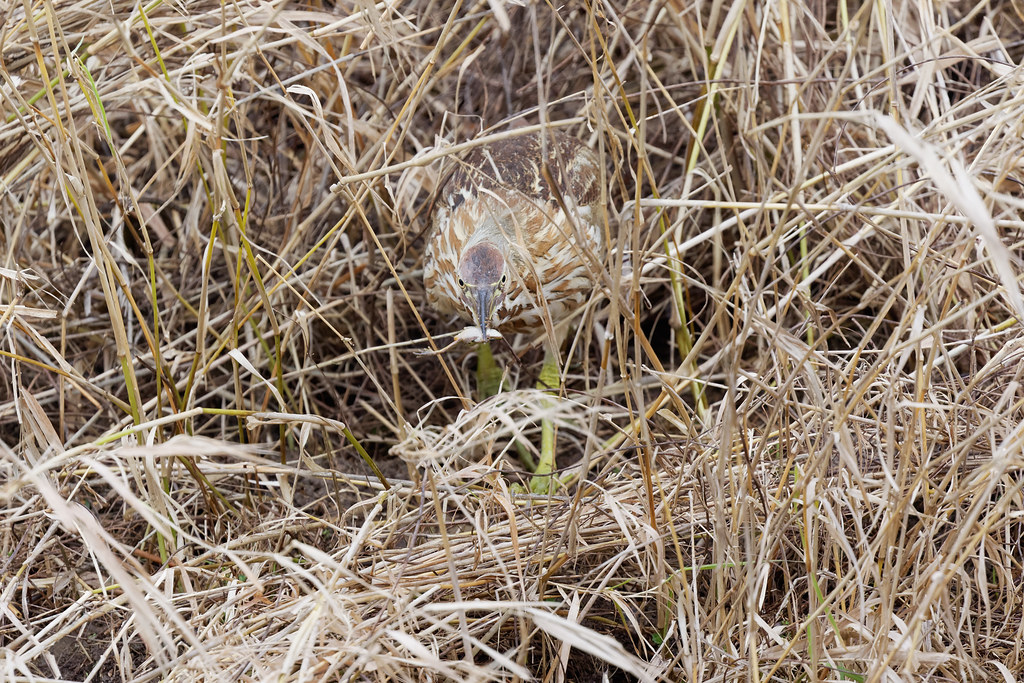
Thank you, little bittern, but you keep it. I insist.
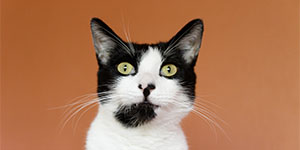
Scratcher of heads, rubber of bellies
Thank you, little bittern, but you keep it. I insist.

This song sparrow was working the same bit of floating branches as this red-winged blackbird but with a different technique. While the blackbird hunted for food by moving debris about with her beak, the sparrow was using its feet to do the same. Curiously it had one tail feather askew but it didn’t seem to be impeding it in any way that I could see. I saw the same bird on another day with its downward-facing feather but I suspect it fell off in short order as days later I saw a sparrow working the branches with all feathers cooperating.


I love how shovelers often feed by spinning in circles, such as this female who had been swimming in a line with several others before taking a brief break to feed.
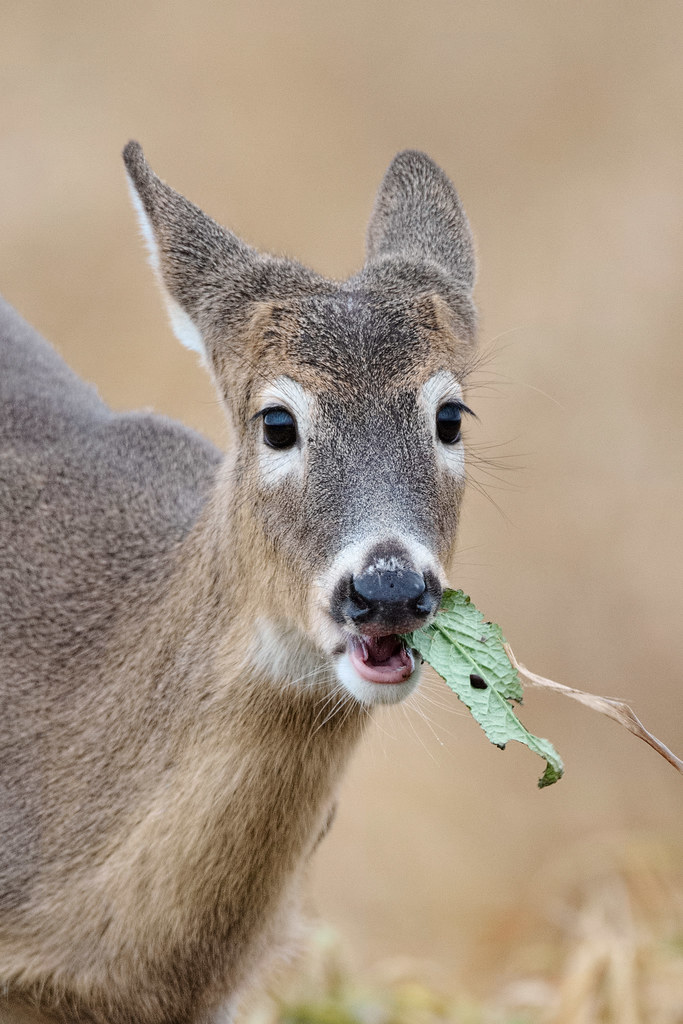
A Columbian white-tailed deer fawn eats a big green leaf.
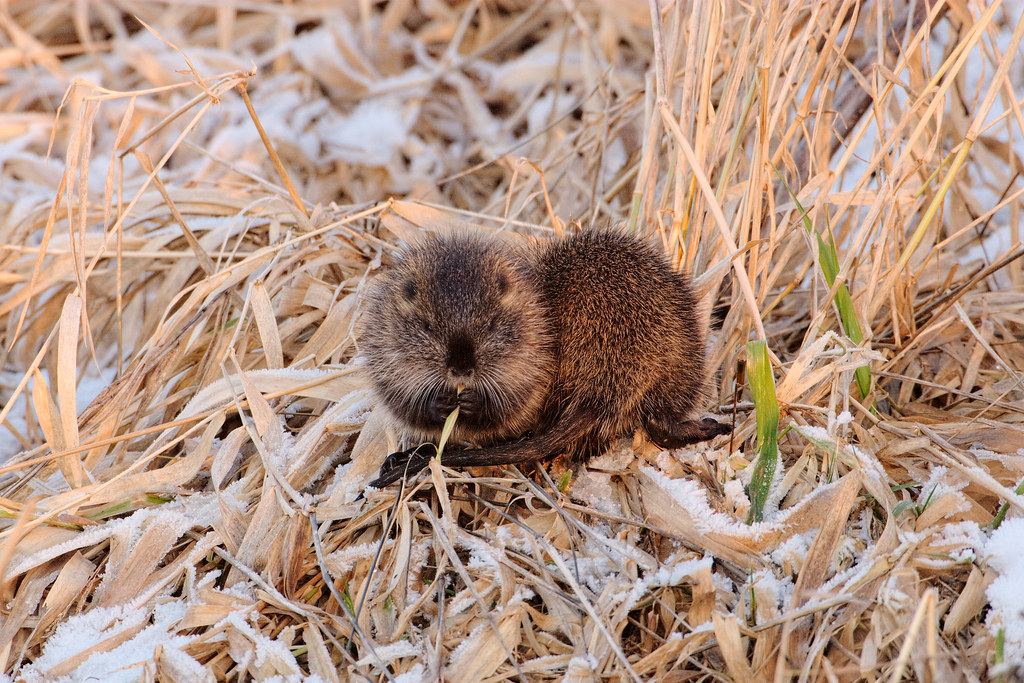
I got lucky with the top picture: the soft, warm light of sunset, the frost from an unusually cold winter day, the perfect pairing of these two baby nutria, one facing forward, the other backward, and the one nutria eating a blade of grass while holding it in its tiny hands. Then they each walked off into the shadows and out of my sight. Nutria are not native to the Northwest but they are by far the most commonly seen of our aquatic rodents, and as you can see are able to give birth and raise young even during winter.


I love photographing animals going about their lives in all kinds of weather, but the pouring rain didn’t bother this coot as it fed in a shallow lake, as it was already soaked from diving underwater to dislodge plants from the lakebed.
📷: Canon 7D | Canon 500mm f/4L IS USM + 1.4x III
🗓️: December 29, 2011

It was a mostly cloudy day but the sun peaked out early in the morning as I watched this shoveler feeding in Canvasback Lake but it ducked back behind the clouds not long after I took the picture and stayed there.
📷: Canon 7D | Canon 500mm + 1.4X
🗓️: December 31, 2011
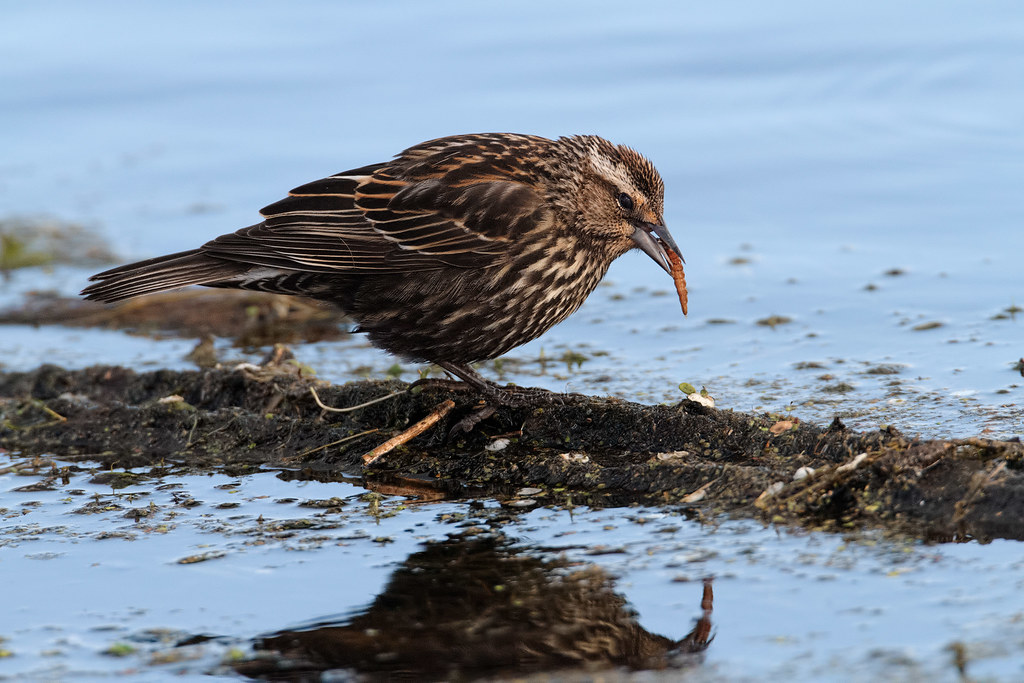
There’s a spot in Long Lake where floating branches accumulate at the edge of the lake by a culvert. Both red-winged blackbirds (like this female holding what I presume is an insect larva) and song sparrows frequently hunt in this little section, looking for insects hidden in the plants and mud. The blackbird searches with its beak, as shown below, while the sparrow typically uses its feet. I’ve spent hours watching them on the hunt, as its also a good spot to watch mergansers hunt for fish just a bit further out, and a couple of times a river otter has swum up gone through the culvert to the other side of the road.


A Townsend’s chipmunk eats on a large boulder in the Paradise section of Mount Rainier National Park.

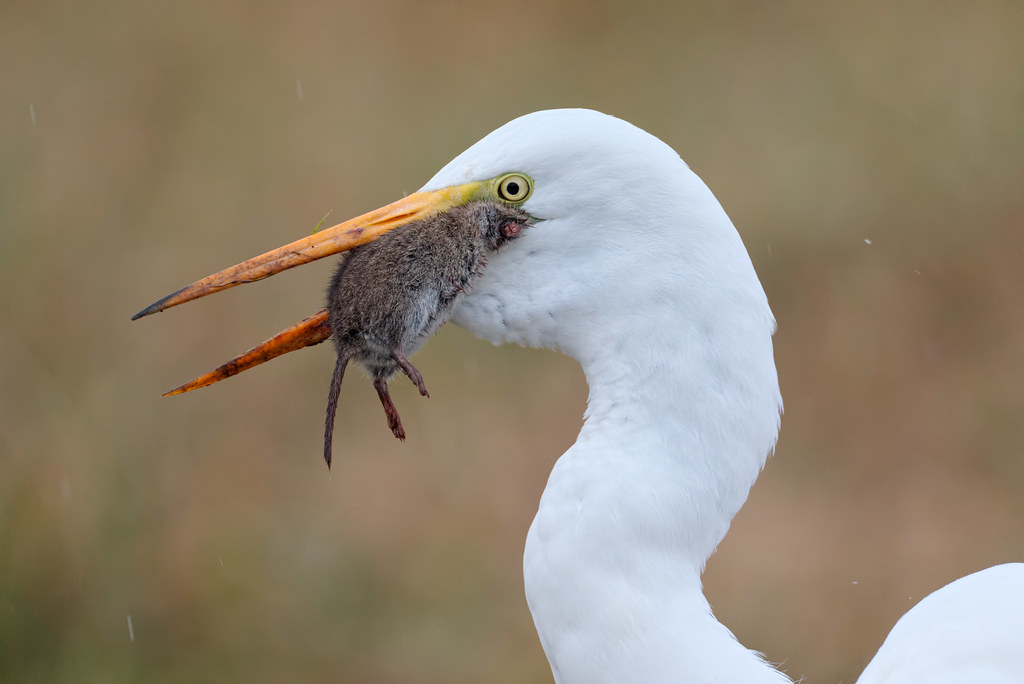
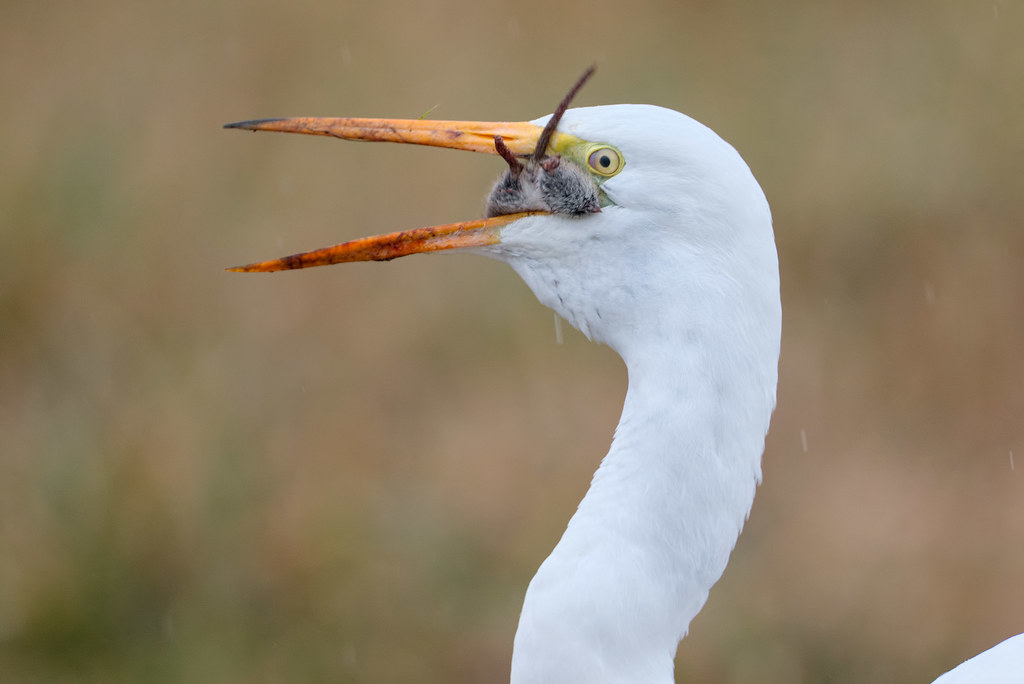
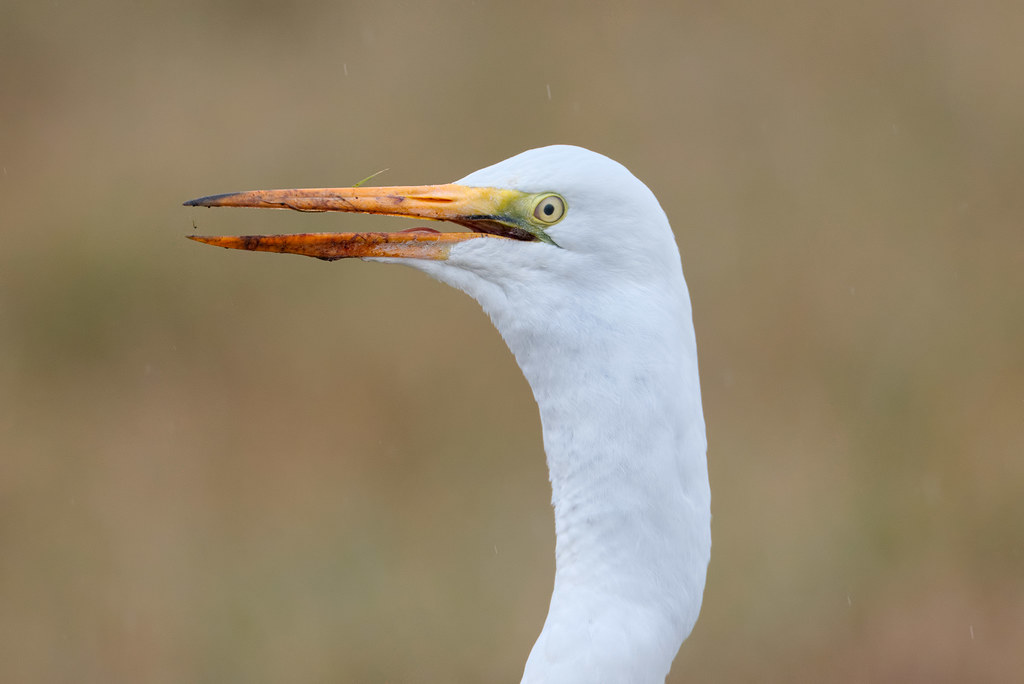
I’ve met people who think it preposterous that birds descended from dinosaurs, a theory that dates back to the 19th century and the discovery of an Archaeopteryx fossil, as they think of birds as being small and cheerful. They might change their minds if they spent some time watching an egret hunt for voles.
As I’ve photographed birds over the years I was struck by how many of the feathers on a bird’s body aren’t actually used for flight. I began to wonder which came first, feathers for flight or feathers in general? This article by Luis Chiappe on dinosaurs and birds gives the answer (spoiler alert: it’s not flight). I’ve only started reading the article but it’s written in plain language and has a lot of information (and importantly, references) on the link between dinosaurs and birds, and how most paleontologists believe that some dinosaur species survived and evolved into the birds we know and love today.
I suppose it’s all splitting hairs to this vole, within seconds of being swallowed on a rainy January afternoon. I sometimes shoot hunting egrets and herons and bitterns with my biggest lens, to show that one life is ending in order for another to continue, and sadly I’ve only ever been able to photograph these voles in the last seconds of their short lives. I keep hoping one day to get a photograph of a vole just sitting in a meadow but for some reason they don’t stay above ground very long.
 Boolie