Cone on the Cob

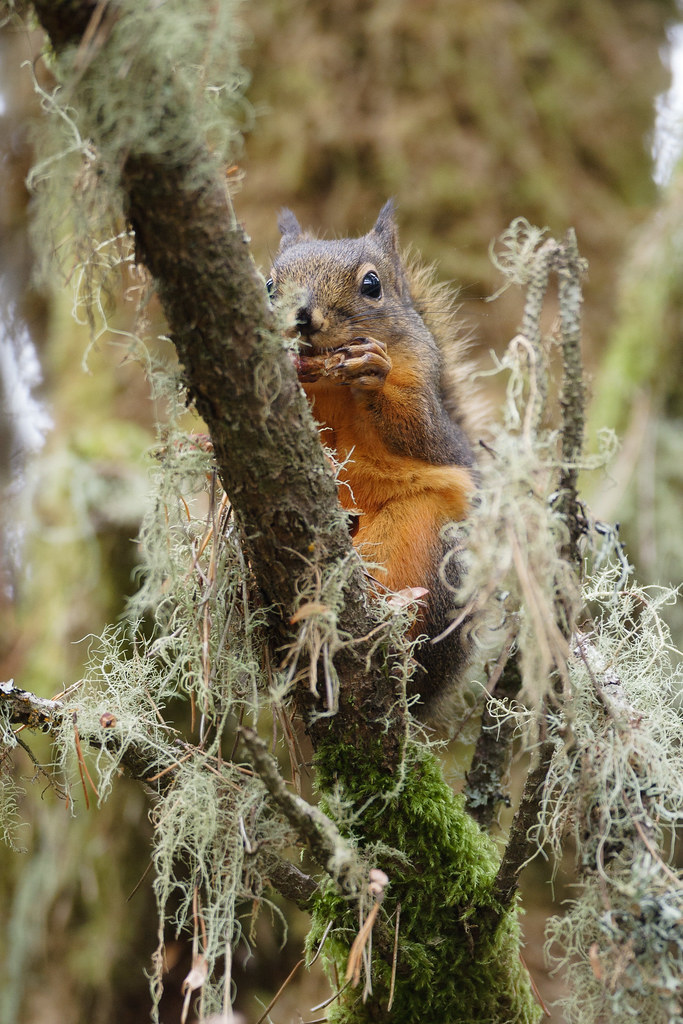
A Douglas' squirrel eats a cone in a forest in Leadbetter Point State Park on the Long Beach Peninsula in Washington

A Douglas’ squirrel chews through the outer part of the cone to get to the seed underneath, like we would eat corn on the cob except that we are interested in the corn not the cob. A lovely little squirrel, and native too. Taken at Leadbetter Point State Park on the Long Beach Peninsula in Washington.

How Animals Behave Before They See the Camera (and After)

How Animals Behave Before They See the Camera

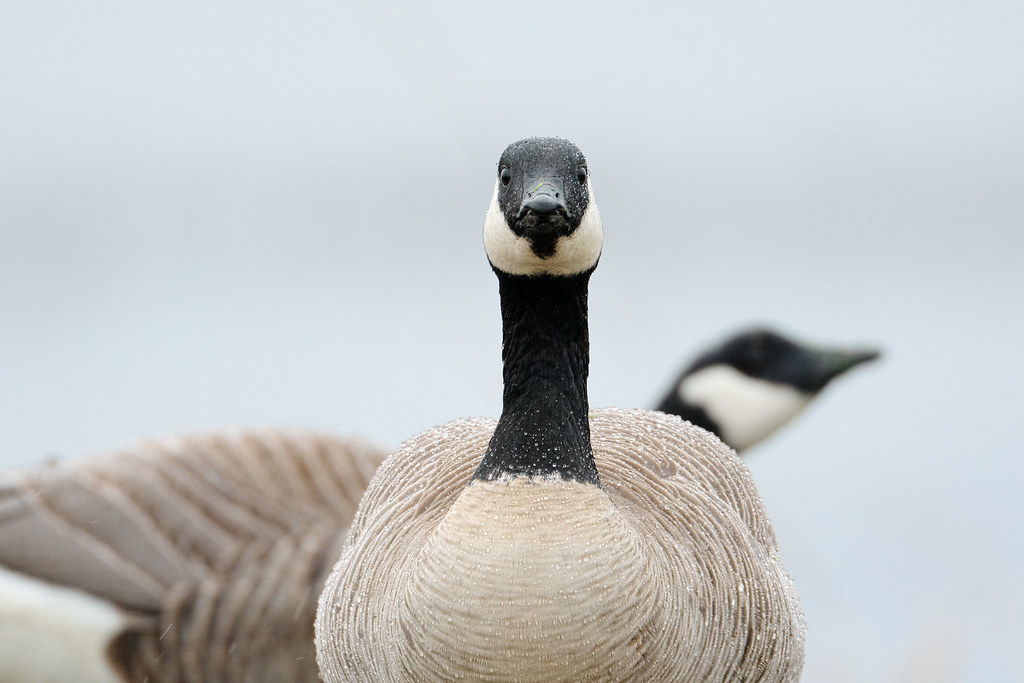
These Canada geese (or cacklers? I can’t tell the difference between small Canadas and large cacklers) were eating at Rest Lake in a heavy rain when they tilted their heads back to swallow, but the difference in the poses reminded me of people acting naturally before they see a camera but posing when they realize they’re being photographed.

How Animals Behave After They See the Camera

Crab Breakfast

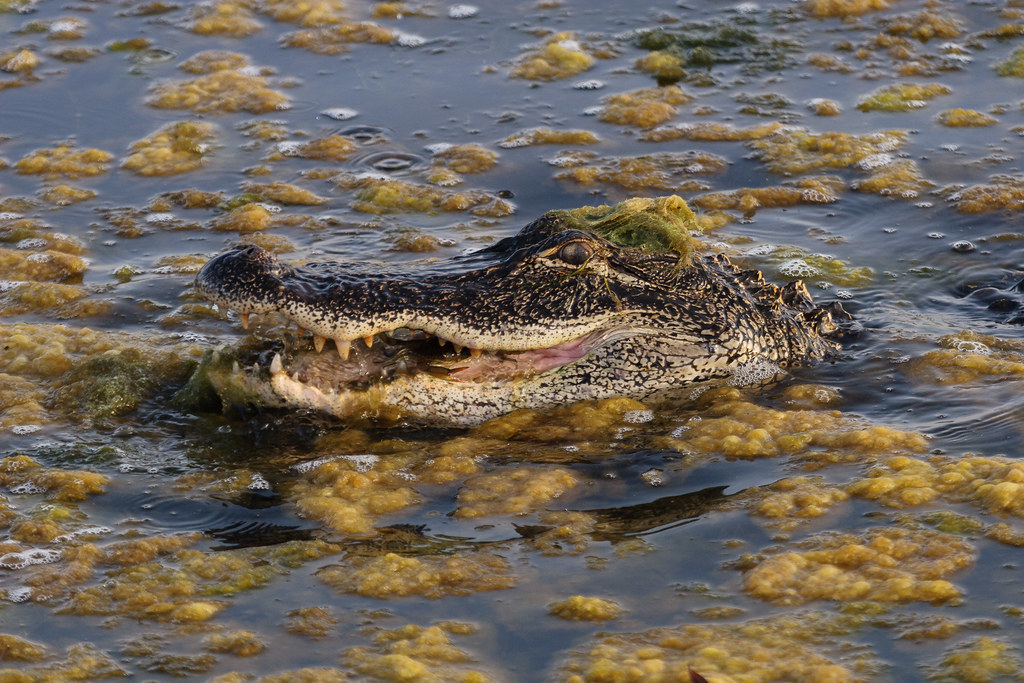
An American alligator lurches forward and scoops up a crab from the marsh at Huntington Beach State Park in South Carolina

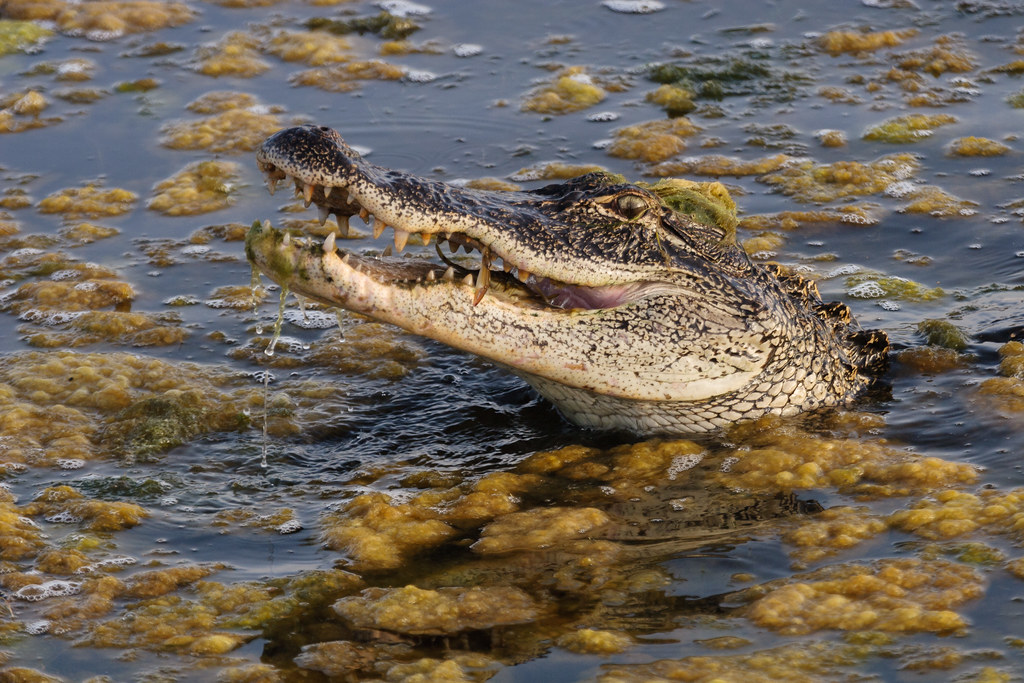
As the sun rose, I noticed a group of alligators in this marshy section of the freshwater lagoon at Huntington Beach State Park but didn’t realize why they were there. Then one suddenly lurched forward and scooped up a little crab from the mats of organic material (algae? bacteria?) floating in the water, and then another did it, and another. It was remarkable how quickly they would go from floating motionless to catching the crabs and back to floating motionless.

An American alligator raises its head to swallow a crab at Huntington Beach State Park in South Carolina

Predator v. Predator

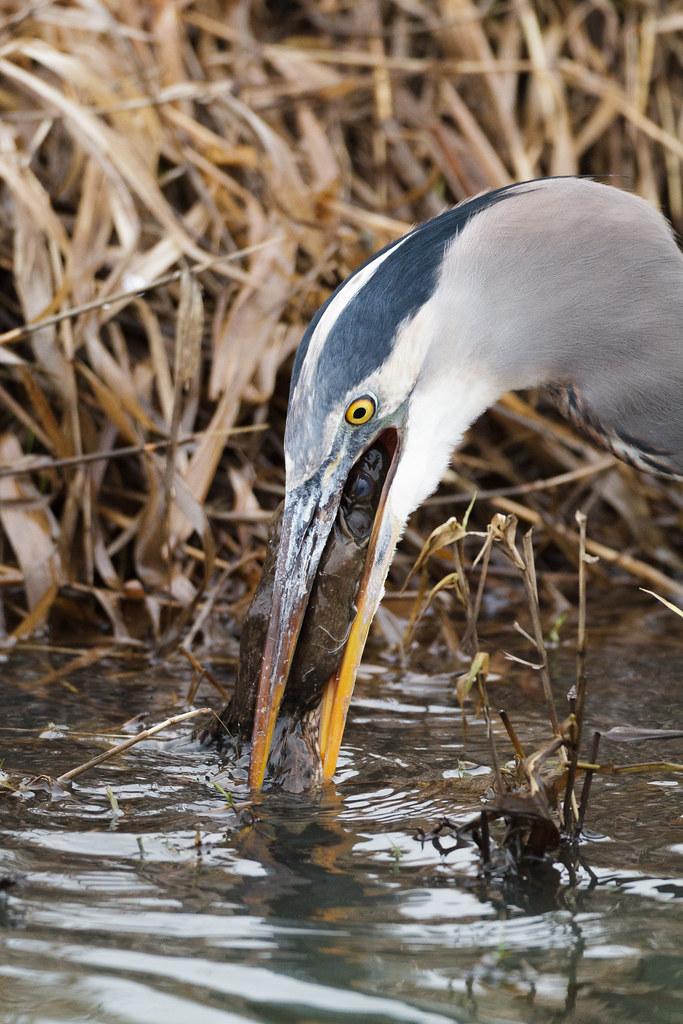
A great blue heron pulls a large bullfrog out of the water

Bullfrogs are voracious predators and not native to the Northwest but they are also a food source for a variety of animals that have learned to eat them. This large bullfrog was I think killed by a family of otters that came through earlier, it looked like one of them had caught the frog and eaten its front legs and a bit near the back before leaving. The heron was happy to eat what the otters left, dunking the frog a couple of times in the water (birds like herons and bitterns do this at times with their prey when near water) before getting it positioned in its beak where it could swallow the frog whole.

A great blue heron holds a large bullfrog in its beak

A  great blue heron dunks a large bullfrog in the water

A great blue heron prepares to swallow a large bullfrog

Fish Heads, Fish Heads

A great blue heron holds a fish head in its beak

Great blue herons normally swallow their prey whole, I believe this fish head came courtesy of a family of river otters I had seen moving through shortly before. Although effective hunters themselves, I’ve seen herons shadow otters before to try for scraps from the on-the-move otters (and seen otters make feints towards the herons if they think they’re getting too close and might grab more than just leftovers).

Sit Down Breakfast

A Columbian white-tailed deer sits in a meadow and eats on a rainy spring morning

A Columbian white-tailed fawn enjoys its breakfast while sitting in a meadow on a rainy spring morning at Ridgefield National Wildlife Refuge. I got some 4K video of it too, it’s hard to see the rain in the video with the slower shutter speed but you can certainly hear it pounding down, and you can see the deer’s eating motion as it occasionally stops eating to listen. I’ll post the video once I learn how to edit it.

Recovering

A young Columbian white-tailed deer eats in a meadow with one of his antlers fallen off

This fall the status of the Columbian white-tailed deer was improved from endangered to threatened. I’d guess this young buck, eating in a meadow beside Long Lake, is one of the offspring of deer that were captured and moved to Ridgefield National Wildlife Refuge as a part of the recovery efforts. I saw him in late December, one of his antlers had already fallen off but the other was not yet ready to let go.