Spinarium

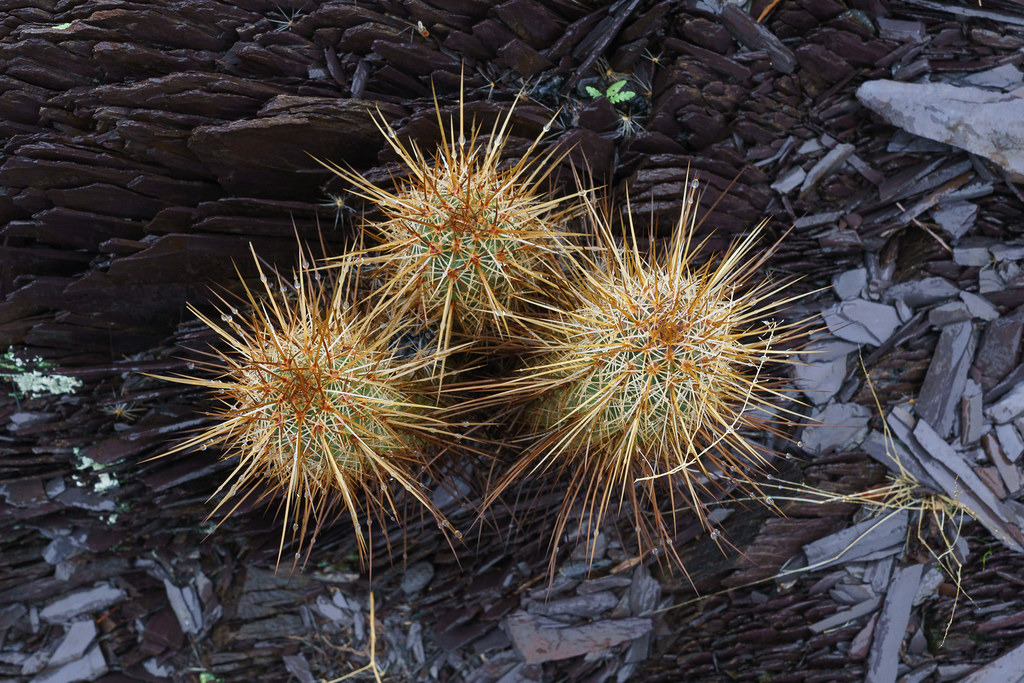
A close-up view of water drops pool on the spines and skin of a saguaro after a heavy rain on July 25, 2021. Original: _RAC5440.arw

I was photographing two of my favorite subjects last weekend, saguaros and the rain, when my macro lens breathed its last (or so I thought), the manual focus ring barely turning. This is my favorite set of saguaro spines, I wanted to capture water droplets pooling on them while I had the chance as no lightning accompanied the rain. The soft white cushion from which the spine cluster emerges is known as the areole, a distinguishing feature of a cactus (compare these to the thorns of the the ocotillo in the previous post which grow directly out of the stem). A few larger spines shoot out from the center while smaller spines radiate out in all directions. Bit of a shame that English botanist Adrian Hardy Haworth’s proposed term in 1830 for the areole, spinarium, never caught on.

As I held the lens in the following days, thinking back to how many things I had photographed with it over the years, there was some comfort in knowing it died doing what it loved, or more precisely what I love. After it sat idle on my coffee table for a few days I picked it up again, idly turning the focus ring and was surprised to see the lens focus in response. I don’t know if some rain had inadvertently gotten in and caused a mechanical glitch or if a cat hair had worked its way past the lens casing but in any case, the situation resolved itself and the lens has sprung back to life.

Rain, Finally Rain

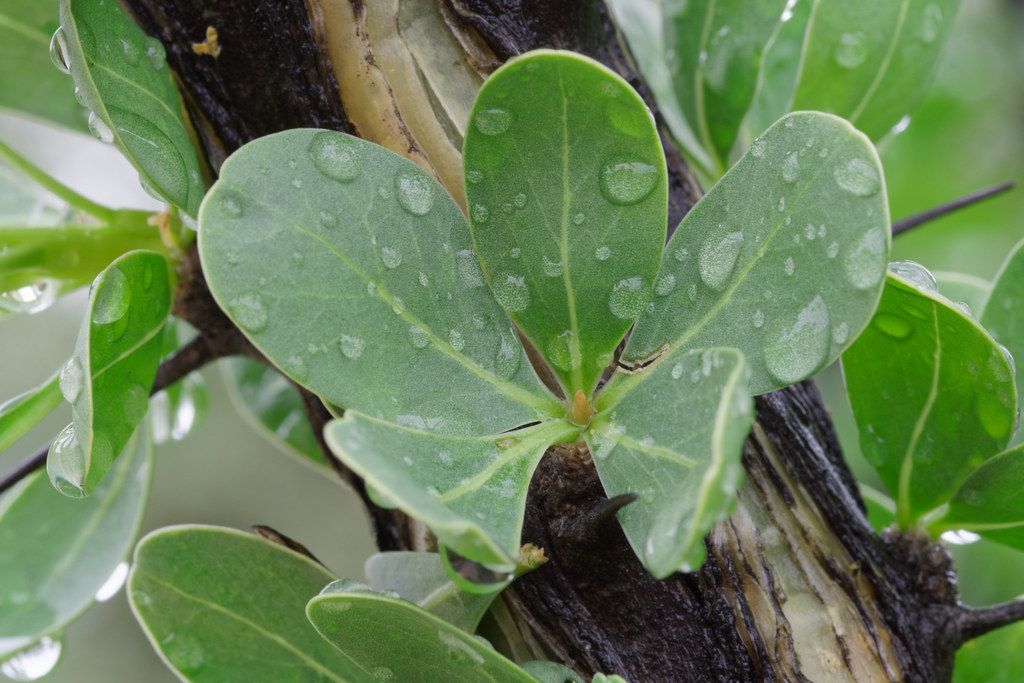
Large water drops sit on the leaves of an ocotillo in our backyard in Scottsdale, Arizona on July 23, 2021. Original: _RAC4236.arw

Thursday night a monsoon storm brought thunder and lightning and buckets of rain in a short period of time, while I prefer the Oregon rains that spread out a year’s worth of rainfall over hundreds of days rather than a few hours, I can’t complain as the desert desperately needs the water. Less intense thunderstorms arrived on Friday, since I was off work I was able to grab my macro lens to photograph a scene I had envisioned for a while but hadn’t been able to capture, large water drops collecting on the leaves of an ocotillo. The thunderstorms diminished as the weekend progressed but showers continued on and off through Sunday, giving me several days of joy out in the rain photographing plants around the yard.

The fun ended Sunday evening when the focusing unit of my Canon macro lens at long last gave up the ghost, I hoped it was a momentary glitch but sadly that does not appear to be the case. It was a few months shy of 22 years old as I bought it in November 1999 for $580, what fun we’ve had over the years! I have no idea what I’ll do for a replacement, modern lenses have a number of features I’d like that my old lens didn’t, but it’s the cameras that give me pause. Sony doesn’t have focus bracketing in their cameras but it would be so useful for the things I shoot I might add another system just to get it, but we’ll see.

The Beauty of the Auto Tour

A close-up of a coyote in the rain on the auto tour at Ridgefield National Wildlife Refuge in Ridgefield, Washington on December 25, 2011. Original: _MG_6249.cr2

While on a visit to Ridgefield on a rainy Christmas in 2011, I accidentally took a short nap while in a pullout beside Rest Lake (I mean, given the name of the lake, hardly my fault) which meant I was lucky enough to be in the right position when driving past the meadow that I got to spend quite a while watching a coyote hunting voles in the rain. It’s what I loved about the auto tour, getting to watch animals behave naturally at relatively close distances without disturbing them.

A coyote pauses in a meadow in the rain on the auto tour at Ridgefield National Wildlife Refuge in Ridgefield, Washington on December 25, 2011. Original: _MG_6194.cr2

These pictures are a bit bittersweet as while I got to watch the family at length multiple times that winter, my pictures from a couple of months later would be my last photos of coyotes at the refuge as they were shot to create a safer haven for the threatened Columbian white-tailed deer that were about to be transplanted. Thankfully the deer seemed to be establishing themselves by the time I had to say goodbye to the refuge so hopefully coyotes have been allowed back since.

A coyote hunts for Townsend's voles in a meadow on the auto tour at Ridgefield National Wildlife Refuge in Ridgefield, Washington on December 25, 2011. Original: _MG_6021.cr2

I’m not sure the many Townsend’s voles in the meadows around the refuge missed the coyotes, although perhaps they didn’t notice given the wide variety of predators that ate them. It was always a little hard to watch through the big lens as one little life was snuffed out, even knowing it allowed another life to continue. I always hoped to photograph a vole on its own but I only ever managed to catch them when something else caught them first.

A coyote eats a Townsend's vole in a meadow on the auto tour at Ridgefield National Wildlife Refuge in Ridgefield, Washington on December 25, 2011. Original: _MG_6067.cr2

Water Channels

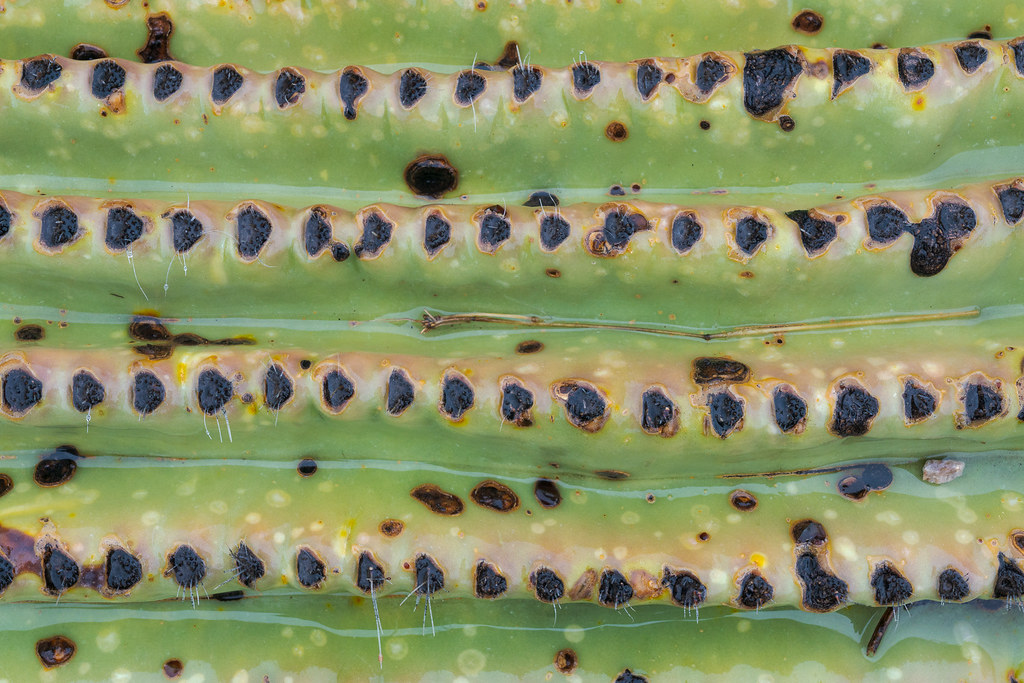
On a rainy Christmas morning water pools up between the pleats of the arm of a fallen saguaro, taken on the Jane Rau Trail in McDowell Sonoran Preserve in Scottsdale, Arizona in December 2019

On a rainy Christmas morning I smiled as water pooled between the pleats of a saguaro, mimicking on the outside how I imagined as a child the water was stored on the inside. But it was a sad occasion too as the normally vertical arm was now horizontal, the old giant having fallen over and died, the green and the chlorophyll fading. They may grow slowly but they fall just as quickly as everything else, a gentle reminder that in this life even the mightiest are eventually humbled. On a brighter note it did make me laugh as I was shooting with a new lens and it always seems I test out new gear in the rain. Not a deliberate choice, rather that I love the rain and used to live in a place with an abundance of it. In this case it was a combination of me taking advantage of holiday sales to purchase a newly announced lens that instantly became a workhorse, timed up with some time off and some winter rains.

Lines & Circles

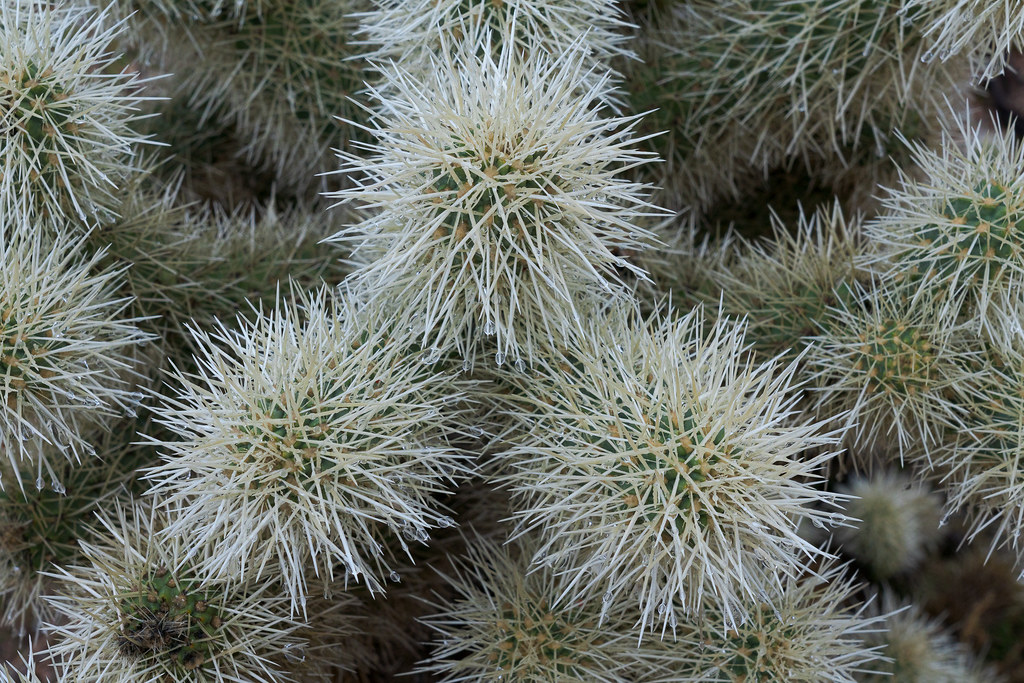
Rain drops collect at the ends of horizontal spines on a teddy bear cholla on the Jane Rau Trail in McDowell Sonoran Preserve in Scottsdale, Arizona in December 2019

Water drops collect on the horizontal spines of a teddy bear cholla. It’s rained off and on the past couple of weeks but sadly it’s been off on the days I have been too. On Christmas morning however I woke to the sound of raindrops on the rooftops so I grabbed my rain gear and a new lens and spent a lovely morning in the desert.

Rain, Rain, Come & Stay

Rain beads up on one of the headlights of my 2020 Lexus UX 250h in February 2020

The rain is supposed to continue on and off throughout the week, and while in general we always appreciate rain in the desert I in particular love it. So it’s a little sad that it is only supposed to last until Friday, be sunny on the weekend, then rain a bit next week. I don’t want to drive in it, I want to walk in it! Why wasn’t I consulted?

The Winter Rain

Large water droplets bead up on the head and neck and shoulders of an American bittern at South Quigley Lake on the auto tour of the River S Unit of Ridgefield National Wildlife Refuge in Ridgefield, Washington in December 2009

On New Year’s Eve in 2009, snow still blanketed the ground but the more typical cold rain had returned, beading up on the head and neck and shoulders of an American bittern as it patrolled the edges of South Quigley Lake. I loved being at Ridgefield in the rain, sitting at one of my favorite spots on the auto tour with a bevy of towels strewn around the car to absorb the rain that would blow in. Your car acted as a blind so on days with poor weather and little traffic, as long as you sat quietly the animals would relax and often come quite close. This was one of two bitterns I was watching for a couple of hours that afternoon until the bewitching hour approached and I had to start the car to make it out before the gate closed.