Woodpeckers Without Woods

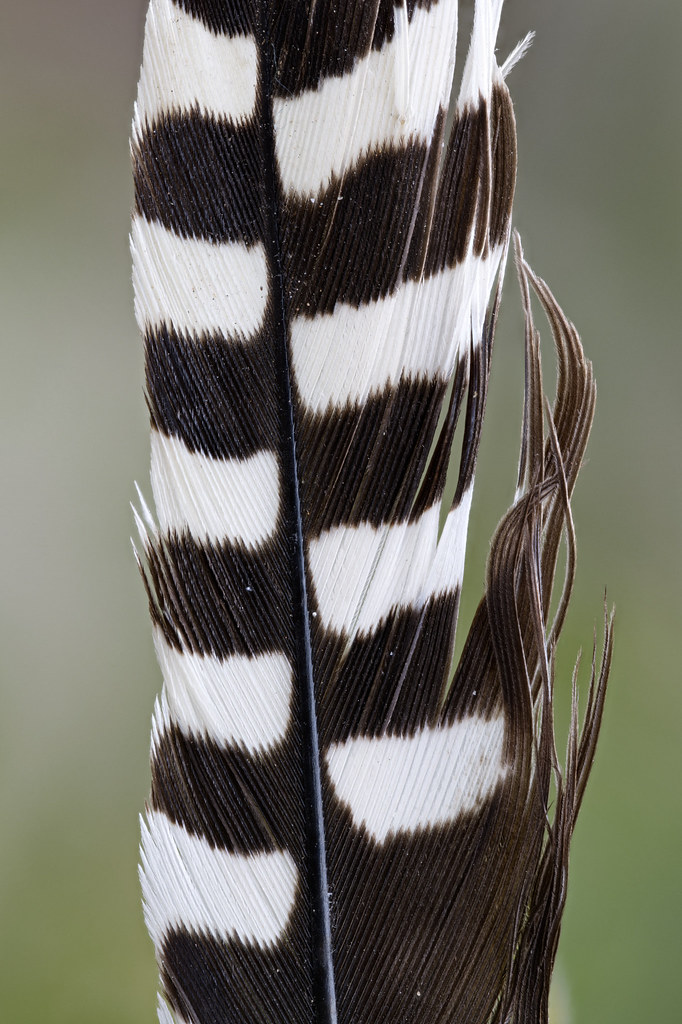
A tail feather of a Gila woodpecker, taken in our backyard in Scottsale, Arizona on March 12, 2022. Originals: _ZFC2221.NEF to _ZFC2247.NEF

As a child in Michigan we had woods behind the house where I fell in love with chipmunks and squirrels and woodpeckers. In memory the woodies were downies and redheads but the memories are blurry at best. I was in graduate school when I got my first camera and binoculars and fell in love with woodpeckers all over again. Now in Virginia, the memories are sharper, flickers and downies and hairies.

In Oregon where I spent most of my adult life we had flickers in our urban backyard, I was always alerted to their presence since they were also a favorite of Emma’s and she would chirp at me from atop the cat tree on their arrival. On the trails in addition to downies and hairies I saw pileated woodpeckers and red-breasted sapsuckers too.

Before the move to Arizona I was intrigued when looking at real estate listings to see what looked like bird holes in the saguaros of some yards, and upon learning they were made by woodpeckers wanted to see them more than anything. So imagine my delight at arriving and finding them ubiquitous, I can sit on my porch and regularly see Gila woodpeckers and commonly gilded flickers and on rare occasion ladder-backed woodpeckers, so much more often than I saw their cousins in Oregon.

Who knew to see woodpeckers I had to leave the woods!

This is (I think) a tail feather from a Gila woodpecker, having served its duty helping its owner navigate the desert, now fallen to ground in our backyard.

Broken Beauty

A close-up of the broken portion of a saguaro arm that shows the green skin, the spongy material where water is stored, and the woody skeleton. Taken on the Metate Trail at Spur Cross Ranch Conservation Area in Cave Creek, Arizona on February 27, 2022. Originals: _ZFC1543.NEF to _ZFC1547.NEF

It’s always a bit sad to see the old giants breaking down but this fallen arm provides a view into the interior life of the saguaro. On the outside is the familiar waxy skin tinted green by chlorophyll. Light for photosynthesis is ever-abundant in the desert but rainfall is not, so filling most of the interior is a spongy material where water is converted and stored. Storing water is one thing, supporting its weight is another, a burden borne by the wooden skeleton that runs the length of the saguaro, shown here as broken ribs that shattered as the arm fell from the body.

The saguaro itself still looked healthy to my novice eyes, it will seal off the wound and might well outlive me despite having a head start of two or three of my lifetimes.

The Perfect Tuck

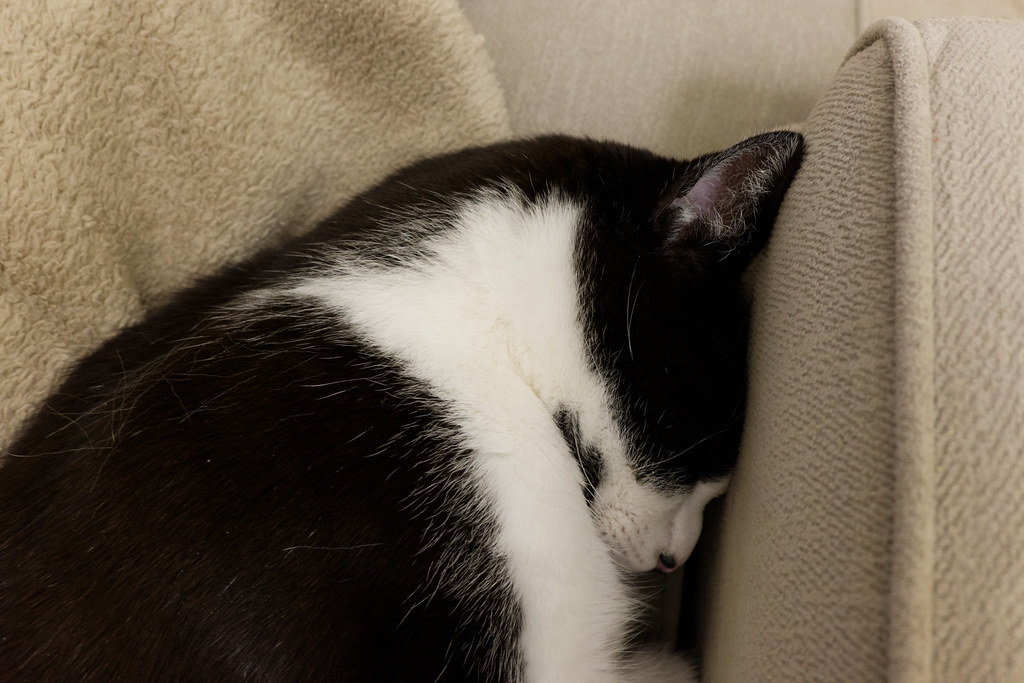
Our cat Boo sleeps curled up on our bed on January 29, 2022. Original: _ZFC8913.NEF

Boo in my second favorite of his sleeping positions, the one I call The Full Louganis as his perfect tuck reminds me of Olympic divers. Despite appearances he does have arms, but our boneless Boo doesn’t always follow the laws of physics. I’m about 90% convinced he’s from this universe and about 70% convinced he’s from this planet.

Late Winter Morning

Our cat Sams sleeps curled up on our bed on January 29, 2022. Original: _ZFC8891.NEF

Sam sleeping on our bed late on a winter morning. When I get home from work he’s usually either sleeping here with brother Boo or sitting on my footstool, waiting for me to come home. As soon as I sit down he jumps up for a snuggle, he may have the expected muscle loss for a cat his age but he is as sweet as ever.

If I Could Change Careers …

Green and gray lichen grow on a granite rock on the Vaquero Trail in McDowell Sonoran Preserve in Scottsdale, Arizona on January 9, 2022. Originals: _ZFC7597.NEF to _ZFC7630.NEF

If I could snap my fingers and change careers, I’d like to study lichen. It’s not that they are my favorite organism or anywhere near the top of the list, but rather I think they’d be endlessly fascinating to study and just as importantly, move at my speed. If you know anyone looking for a lichenthrope with no biological training and rather high salary demands, hit me up.

Their color is supposed to be influenced by their pigments, photosynthesis components, and how wet they are, but I suspect their favorite flavor of curry also plays a role. The lichen in the first picture clearly favors green curry, the greatest of the curries, while in the second we have fans of red and yellow. The gray lichen I assume understand that variety is the spice of life and enjoy them all.

Orange, yellow, and gray lichen grow on a granite rock on the Vaquero Trail in McDowell Sonoran Preserve in Scottsdale, Arizona on January 9, 2022. Originals: _ZFC7499.NEF to _ZFC7524.NEF

Fast Friends

A female American kestrel perches on a dead tree on the 118th Street Trail in McDowell Sonoran Preserve in Scottsdale, Arizona on February 5, 2022. Original: _CAM4289.ARW

I was up before sunrise, though not as early as I would have liked, I blame the orange tabby who when he heard me stirring curled up under my chin and started purring. As I finally rolled out of bed and left for my hike I brought my macro lens for a shot I hoped to take, overly optimistic given the predicted winds, and as soon as I stepped out of the car I realized my folly. Changing plans I instead visited trails that by now feel like old friends, just happy to be out in the desert as the sun rose. Halfway in I met if not an old friend then a fast one, perched on a dead tree in the early light.

Meeting her took some of the sting out of later walking past my favorite saguaro and seeing fresh damage on some of her arms, and near the end of the hike passing a dead tree I had photographed before that had broken and fallen over.