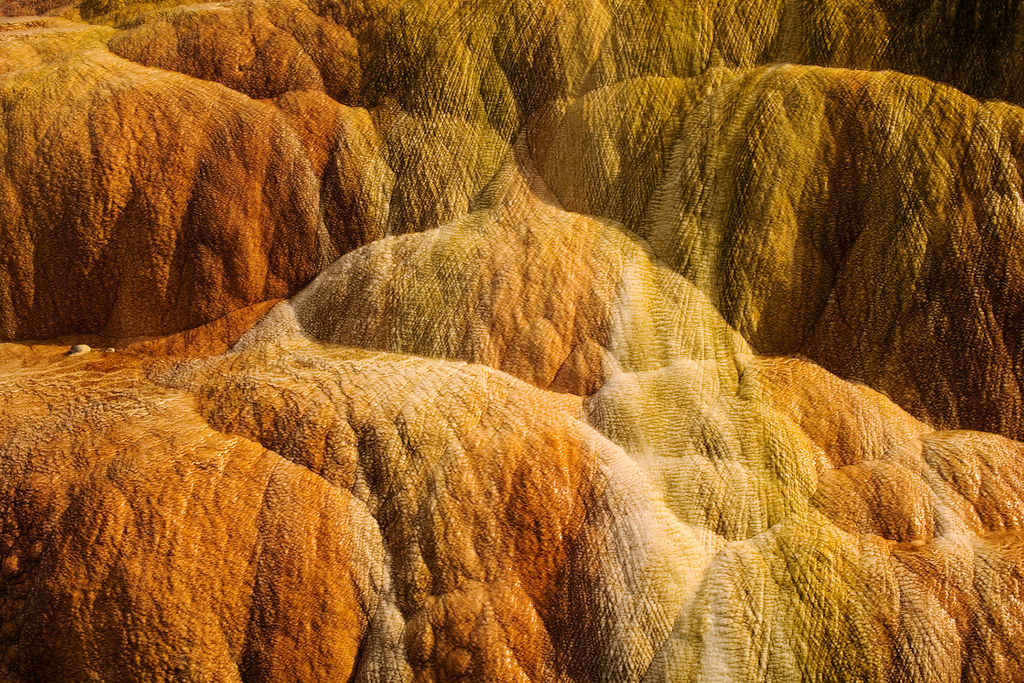
I photographed this little section of Mammoth Hot Springs on my first visit to the area in 2004. I’ve gone back to this spot on each trip since but its appearance has changed over the years and it’s never looked as good as it did on that first trip.
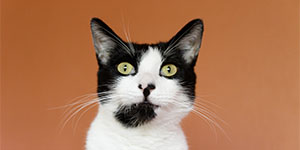
Scratcher of heads, rubber of bellies
I photographed this little section of Mammoth Hot Springs on my first visit to the area in 2004. I’ve gone back to this spot on each trip since but its appearance has changed over the years and it’s never looked as good as it did on that first trip.

My wife and I arrived at Lake Crescent in June 2004 for our first visit to Olympic National Park. After dinner (and just after the sun set) I walked out onto the dock for a quick shot of the glacier-carved lake.
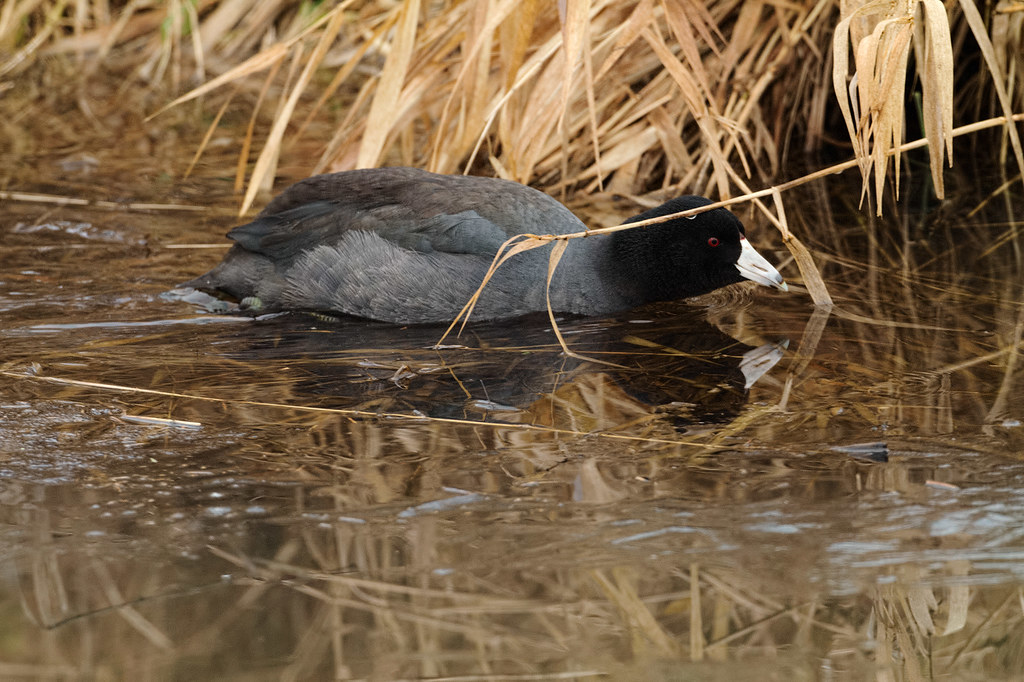
An American coot ducks under a plant stem as it swims down a narrow section of open water in a channel that has mostly frozen over with a thin layer of ice.

A male bushtit pauses momentarily on our dogwood tree before visiting the suet feeder.

Boo and Sam keep keep watch in our biggest picture window on a fall afternoon.

I love Ellie’s gray eyebrows, they add so much expression to her face. I sometimes wonder if the price she pays for being such an amazing dog is that she gets a gray hair for each moment of joy she brings into our lives.

I spent New Year’s Eve at Ridgefield from sunrise to sunset. It was sunny and cold throughout the day and the shallower ponds had partially frozen. Near the end of the day I was parked near the start of the auto tour so it would be easy to leave before the gate closed. A great egret was hunting bullfrogs in the shallow channel beside the road and I expected it would be my last wildlife sighting of the year. Not a bad way to end the year.
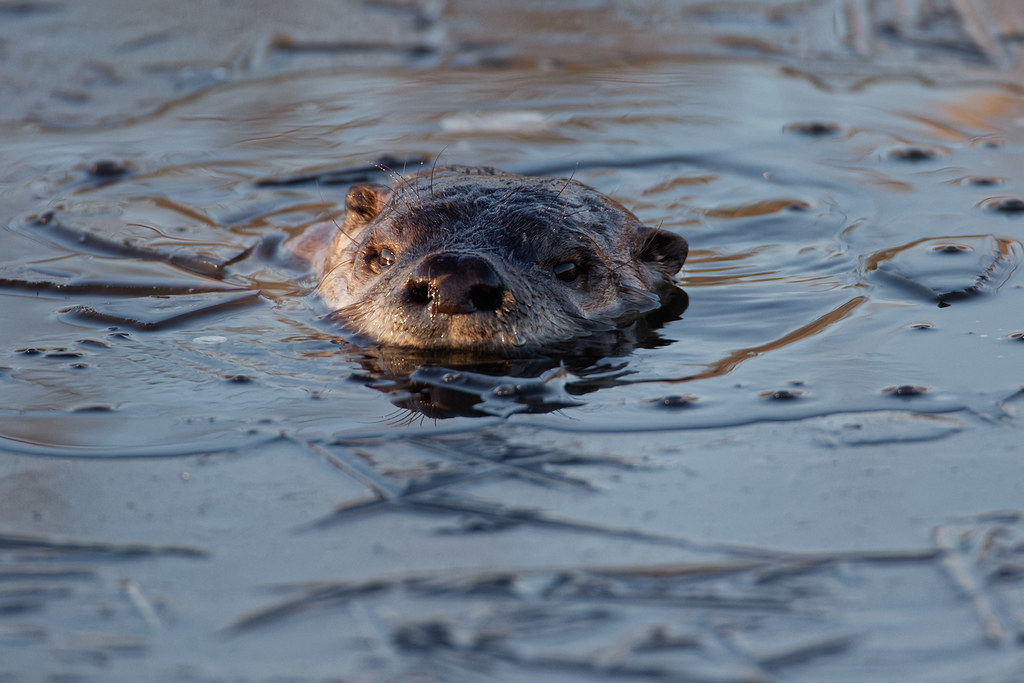
But then I heard a loud crack in the ice and looked down to see that a river otter had punched though the ice to come up for air. It didn’t stay long before submerging and swimming out of sight, but it made me laugh, Ridgefield giving me one last surprise to close out the year.
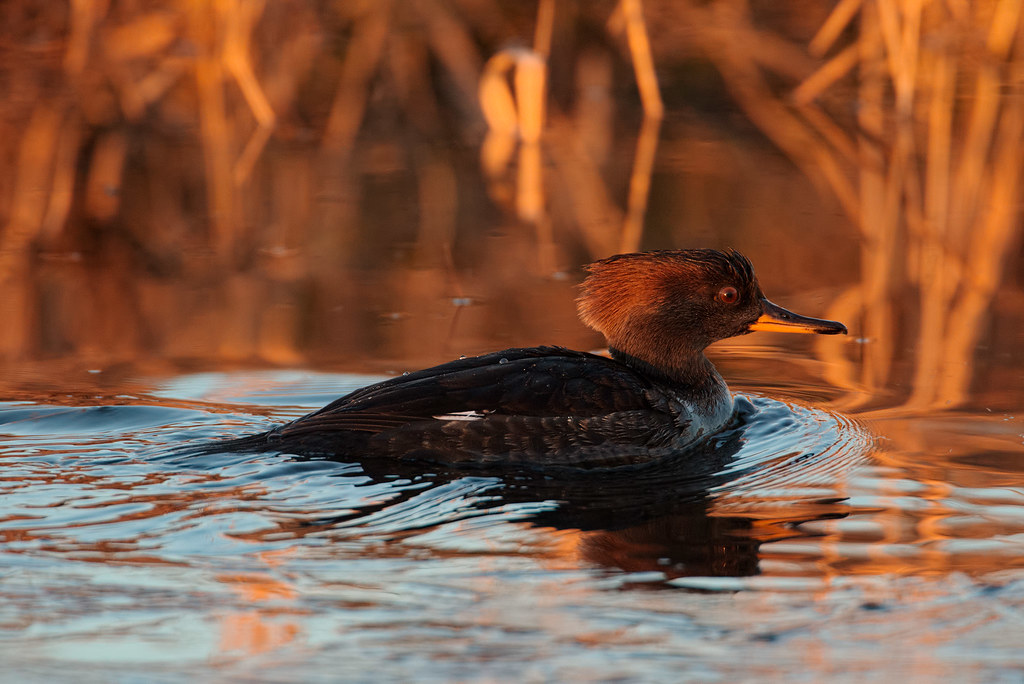
The egret had moved on, the otter had swum away, so I was about to pack up my camera for the trip home when a couple of hooded mergansers swam by in open water beside the ice, beautiful in the last light of the day. My goodness but the refuge was putting on a display. After a quick scan to make sure bigfoot wasn’t hiding in the bushes, I packed up my camera and headed home.

Objects in lap are closer than they appear.
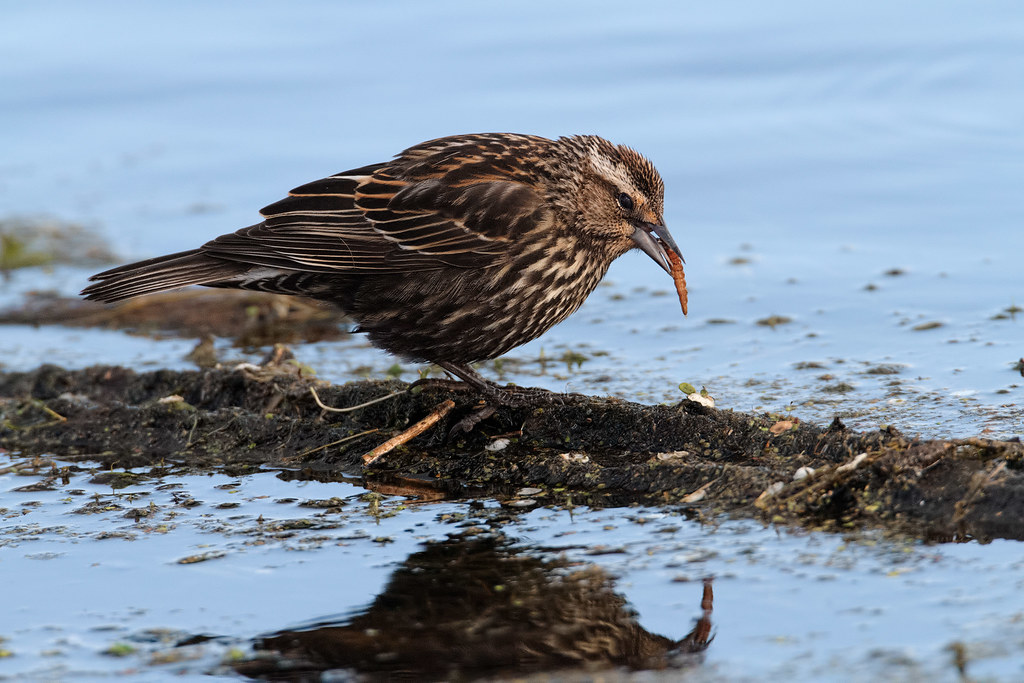
There’s a spot in Long Lake where floating branches accumulate at the edge of the lake by a culvert. Both red-winged blackbirds (like this female holding what I presume is an insect larva) and song sparrows frequently hunt in this little section, looking for insects hidden in the plants and mud. The blackbird searches with its beak, as shown below, while the sparrow typically uses its feet. I’ve spent hours watching them on the hunt, as its also a good spot to watch mergansers hunt for fish just a bit further out, and a couple of times a river otter has swum up gone through the culvert to the other side of the road.


A Townsend’s chipmunk eats on a large boulder in the Paradise section of Mount Rainier National Park.
 Boolie