
First light finds the battered old beauty still standing. Some days that’s enough.

Scratcher of heads, rubber of bellies
First light finds the battered old beauty still standing. Some days that’s enough.
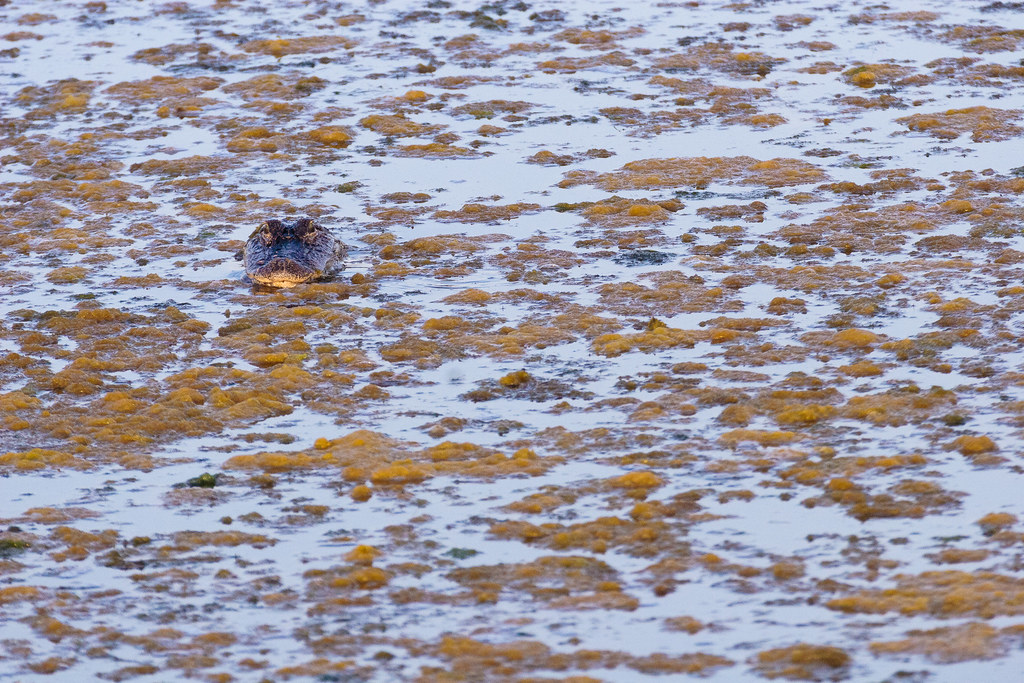
On a summer morning what could be more refreshing than a quick swim in the … you know on second thought I think I’ll take a walk instead.

Scout surprises Templeton in the spring of 2005. She was quite a bit younger than him but thankfully even in old age he was playful and tolerant of the occasional exuberance of the sister who worshipped him.
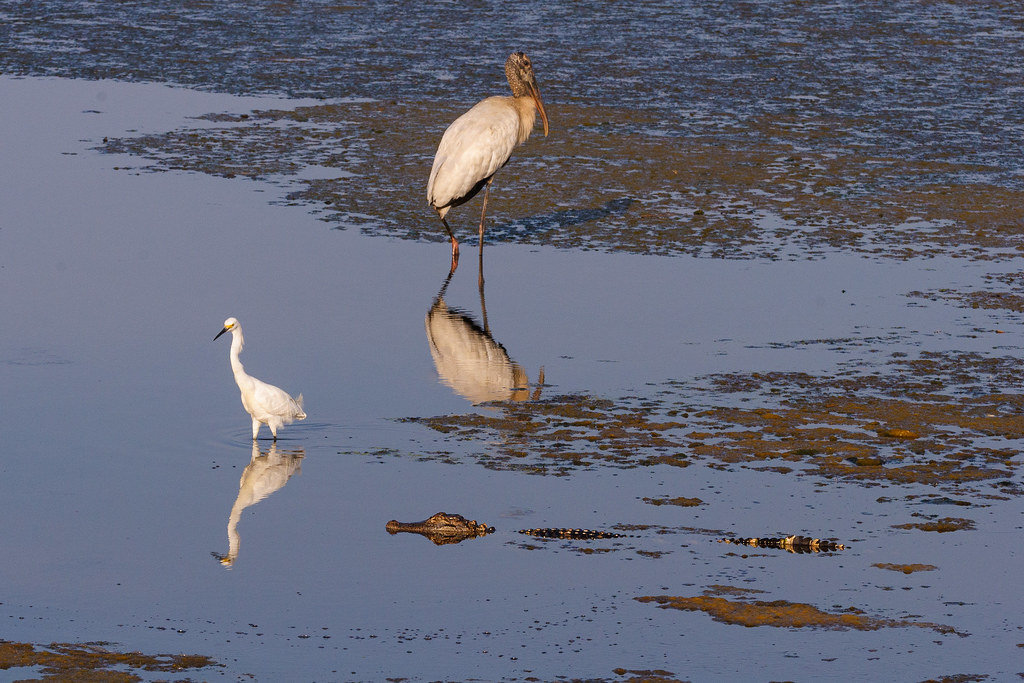
As the early light falls on the freshwater marsh at Huntington Beach State Park, predators of various shapes and sizes are already on the hunt for breakfast. Taken in the summer of 2005.
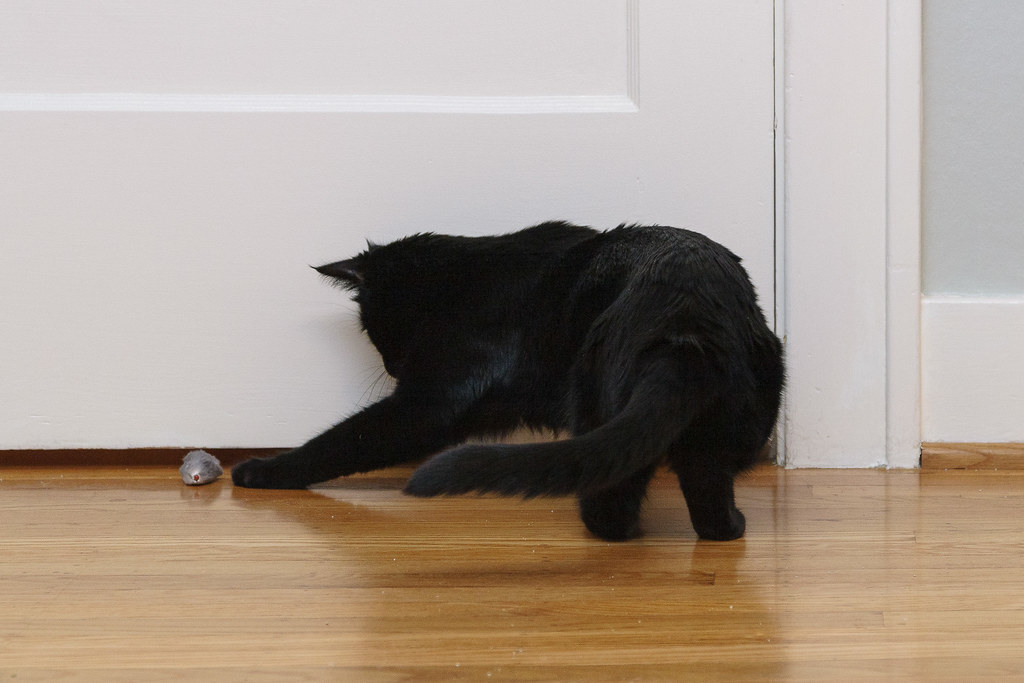
Less than a week after her adoption in 2007, Emma shoves one of her toy mice under the door. She’d reach under to try to get them back but often they’d end up out of reach. When we moved and emptied the house I think we finally found all the remaining ones that had been shoved into the most obscure places, but I like to think at least one remains, a little reminder of a sweet black cat for whom this house was home.


A squirrel peaks out from the neighbor’s bushes in the spring of 2007. Although Oregon has native tree squirrels in our urban Portland neighborhood you’d only find species introduced long ago, like eastern grays and eastern foxes. Our dog Ellie never paid them much heed but they were endlessly entertaining to all six cats over the years, with Emma and Trixie probably their biggest fans.
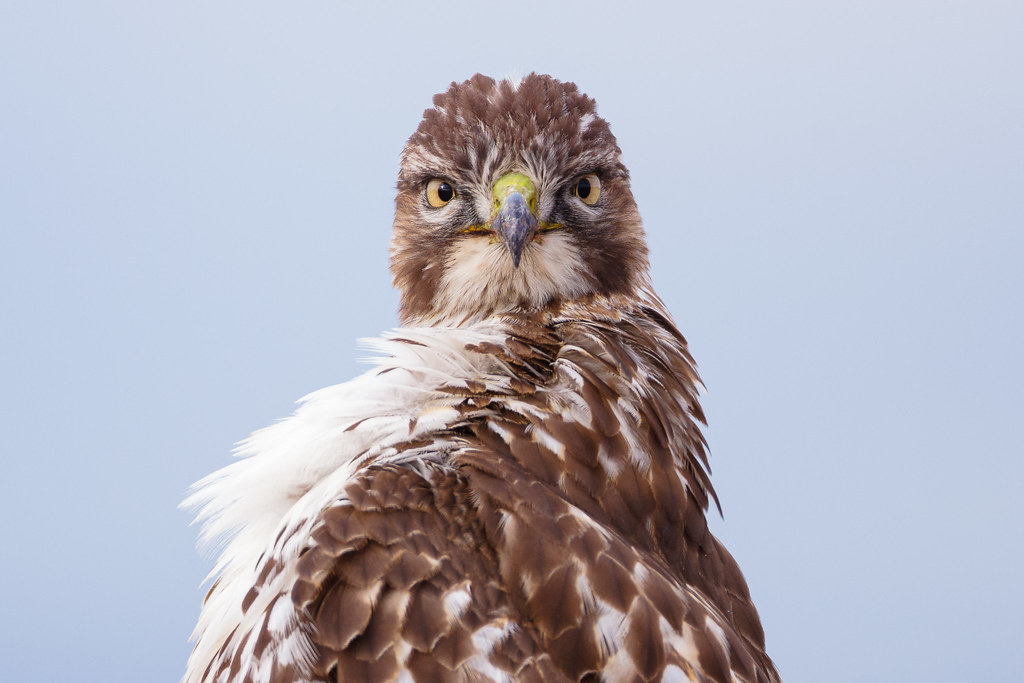
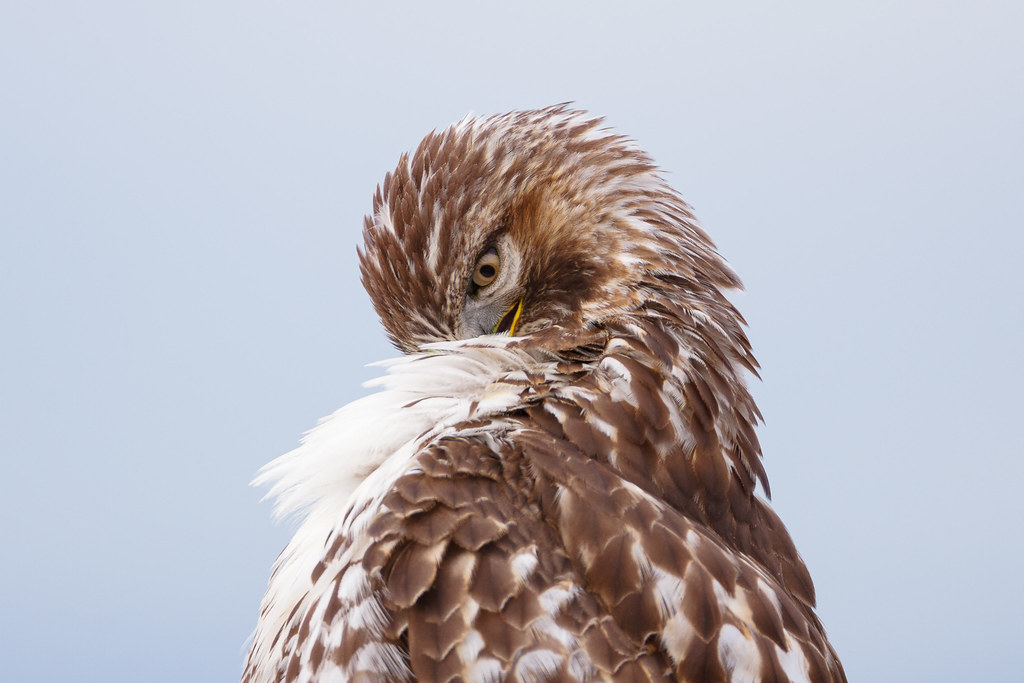
A young red-tailed hawk pauses while preening its front feathers on a winter afternoon at Ridgefield in 2008. Although birds of this age have long since lost the the extreme nervousness they had after fledging, I like that its expression portrays some of the goofiness they retain as they experience new things in their first year. Not that they should be underestimated, they are already formidable predators as the blood around its mouth and beak suggest. The signposts near the auto tour were favored perches of the young hawks and provided opportunities to watch them at length, especially on rainy days if traffic was sparse.

A quick snap from the backyard as flashes of lightning streak above Tom’s Thumb and the McDowell Mountains on a stormy summer night.

As summer turned to fall in September 2009, an adult fork-tailed bush katydid dined on one of our rose blossoms. Once I discovered they were eating the rose petals I stopped pruning the flowers after they lost their aesthetic appeal and only cut them once the petals fell off. Which worked out well for both the katydids and myself, as they loved the roses and I loved watching them.

