
Our rental house has a large backyard with a handful of small trees but right next door are some tall palms that offer high perches to a variety of birds such as this white-winged dove.
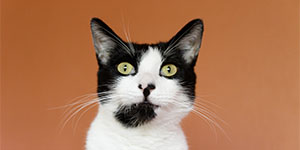
Scratcher of heads, rubber of bellies
Our rental house has a large backyard with a handful of small trees but right next door are some tall palms that offer high perches to a variety of birds such as this white-winged dove.

A closer view of the desert spiny lizard that shows the spines on its scales and the delightful splashes of color.
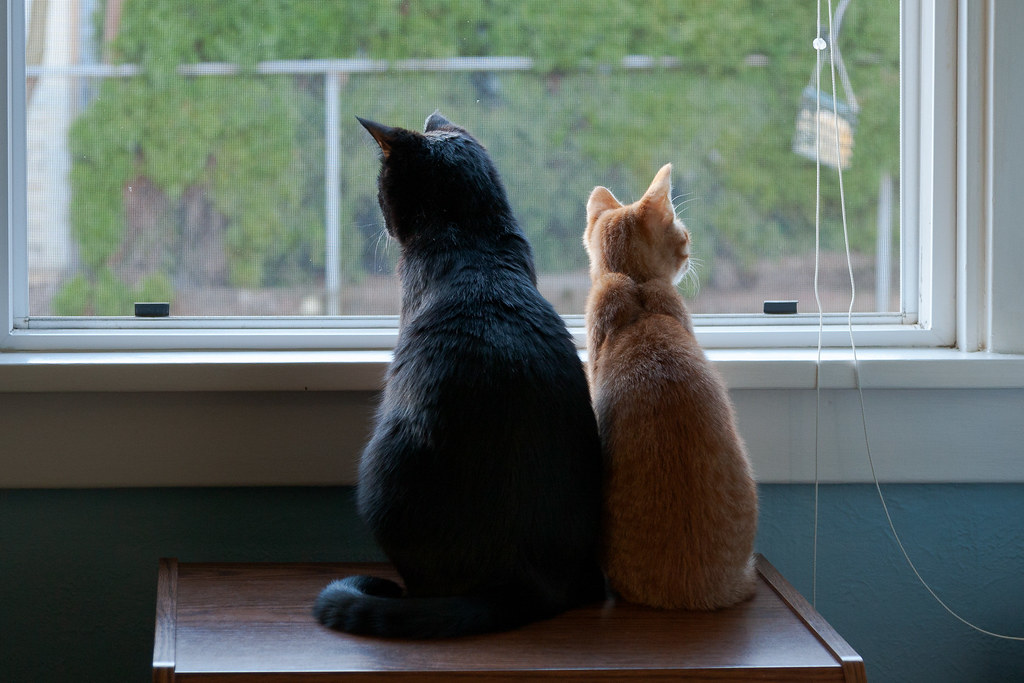
We adopted Sam and Emma on the same day and kept them together in isolation for the first couple of weeks so they bonded quickly as they played and adapted to their new lives. Emma was about a year older so she and Scout helped raise the little fellow and he was naturally devastated when both his older sisters died young.

Most of the time I see Harris’s antelope squirrels at a distance as they scurry about their desert home. Sometimes I get lucky and get to watch one up close for a while, it’s always a treat to earn their trust. This little fellow had just finished eating a cactus fruit, you can see some of the green rind he discarded at his feet. The antelopes are smaller than the other ground squirrels in our neck of the desert, the rock squirrel, and different in appearance as well.
I didn’t do any hiking on any of my three days off this weekend as my chronic bowel issues have been bothering me a bit of late and its too risky to take to the trails since I don’t have much warning when trouble is brewing. And while we don’t have any ground squirrels in our neighborhood I nevertheless did see an antelope yesterday as my wife and I attended a few open houses. One house literally had my favorite part of my favorite park behind its backyard and as we pulled up an antelope squirrel (not this one, but he was at the same preserve) ran out of the rocks of the house across the street.
We’re not ready to buy yet, just trying to get a feel for the neighborhoods, and I’m not sure I’d want that long of a commute to work even if it meant I could literally walk out the door to a nearby trail, or a trivial drive to the trailhead I visit most often. But it has me thinking.
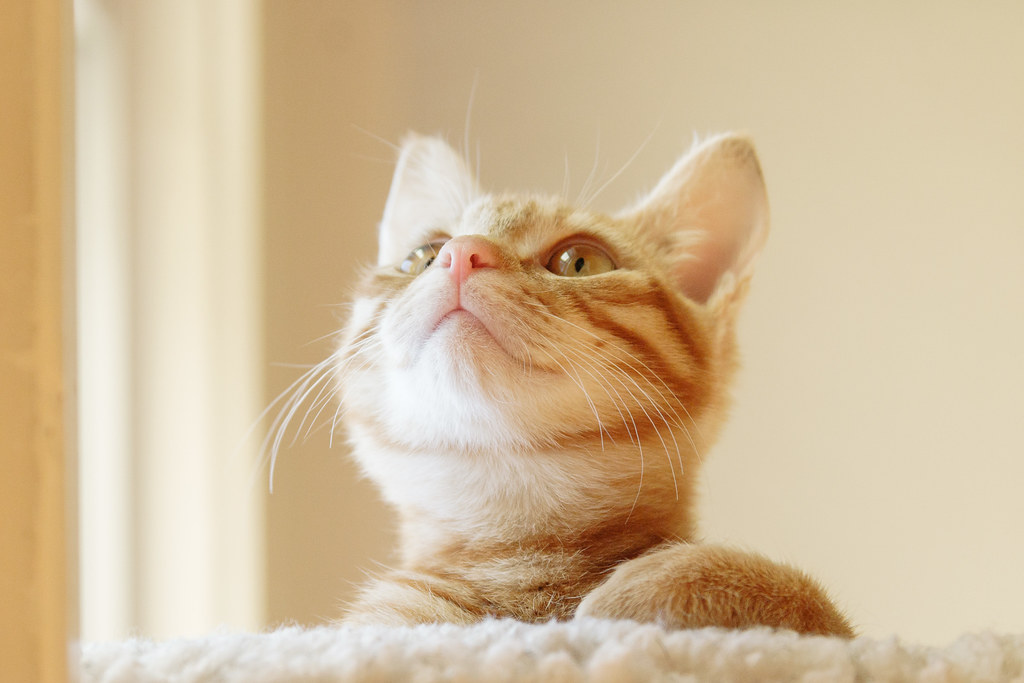

After over a month with us, the shy little fellow was beginning to feel at home.

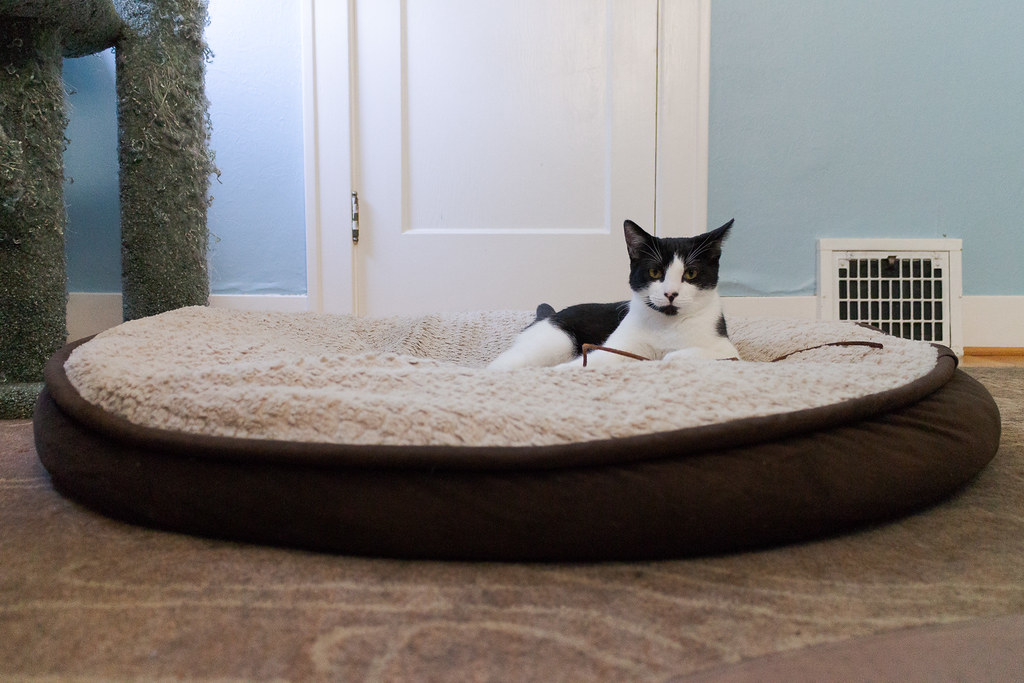
Boo in 2013 about a month after we adopted him. Shy as he was, he was never afraid of Ellie and enjoyed sleeping in her beds right from the start, especially if she warmed them up for him. He’d slink in underneath her as she got up which almost got him sat on once when she was just shifting her position.

A black-tailed jackrabbit is mostly obscured in the desert scrub but the black tips that dance at the top of its ears caught my eye.

When he was younger, sometimes you’d look up and see Boo staring straight into your soul. From the get-go he has been part mystic and part goofball, effortlessly transitioning between the two. The staring stopped as he grew older but the rest holds true even today. This is from 2013, a few months after we adopted him.

